If you are drawn to places where you can grab coffee, browse independent shops, catch a show, and head home without a long drive, downtown Northampton deserves a closer look. For many buyers, the appeal is not just the housing itself. It is the rhythm of everyday life, the mix of culture and convenience, and the feeling of being connected to the center of things. This guide will walk you through what downtown Northampton living really looks like, from homes and architecture to parking, arts, and daily routines. Let’s dive in.
Why Downtown Northampton Stands Out
Downtown Northampton functions as a walkable, mixed-use core with a strong identity. Official city materials describe it as a center for independent shops, restaurants, cafés, art galleries, museums, clubs, and theaters. That combination gives the area an energy that feels active without losing its small-city character.
The city is also actively shaping downtown around walkability. Main Street is being redesigned as a Complete Streets corridor that serves pedestrians, cyclists, mobility devices, transit riders, buses, cars, and trucks. Current design discussions emphasize wider sidewalks, protected bike lanes, and café seating, which reinforces the appeal of living close to the center.
Everyday Life in Downtown Northampton
Living downtown often means your day can unfold on foot. You might start with a café stop, run errands at locally owned businesses, and end the evening at a performance or community event. The convenience comes from having many daily destinations clustered together rather than spread out across town.
That said, downtown living is not the same as suburban living. You are trading some private space and curbside ease for proximity, activity, and access. For many buyers, that tradeoff is exactly the point.
A More Walkable Street Grid
One of the clearest features of downtown Northampton is its pedestrian scale. The city’s design and preservation efforts aim to maintain a built environment that supports walking and active street life. This matters if you want a home base where stepping outside leads directly into shops, dining, and cultural spaces.
The walkable layout is also supported by broader transportation options. City materials point to shared-use paths, rail trails, and PVTA service as part of the downtown experience. If you prefer a car-light routine, downtown makes that more realistic, even if it does not remove the need for planning.
Parking Is Part of the Routine
Parking still matters in downtown Northampton, and it is helpful to go in with clear expectations. Rather than relying only on curbside spots, downtown parking is organized around garages, lots, and meters. The city reports more than 1,550 public parking spaces in and around downtown.
A practical example is the E. John Gare garage, which is open 24 hours and connects to Thornes Marketplace and Main Street by a covered walkway. If you are considering a downtown or downtown-adjacent home, parking access should be part of your day-to-day planning. It is manageable, but it works differently than in lower-density neighborhoods.
Homes and Housing Near Downtown
Downtown Northampton does not fit into one simple housing category. The citywide housing picture points to a mixed owner and renter market, with a 2024 population estimate of 31,315, an owner-occupied housing rate of 57.3%, a median owner-occupied home value of $429,700, and a median gross rent of $1,439. That mix helps explain why downtown appeals to a wide range of buyers and residents.
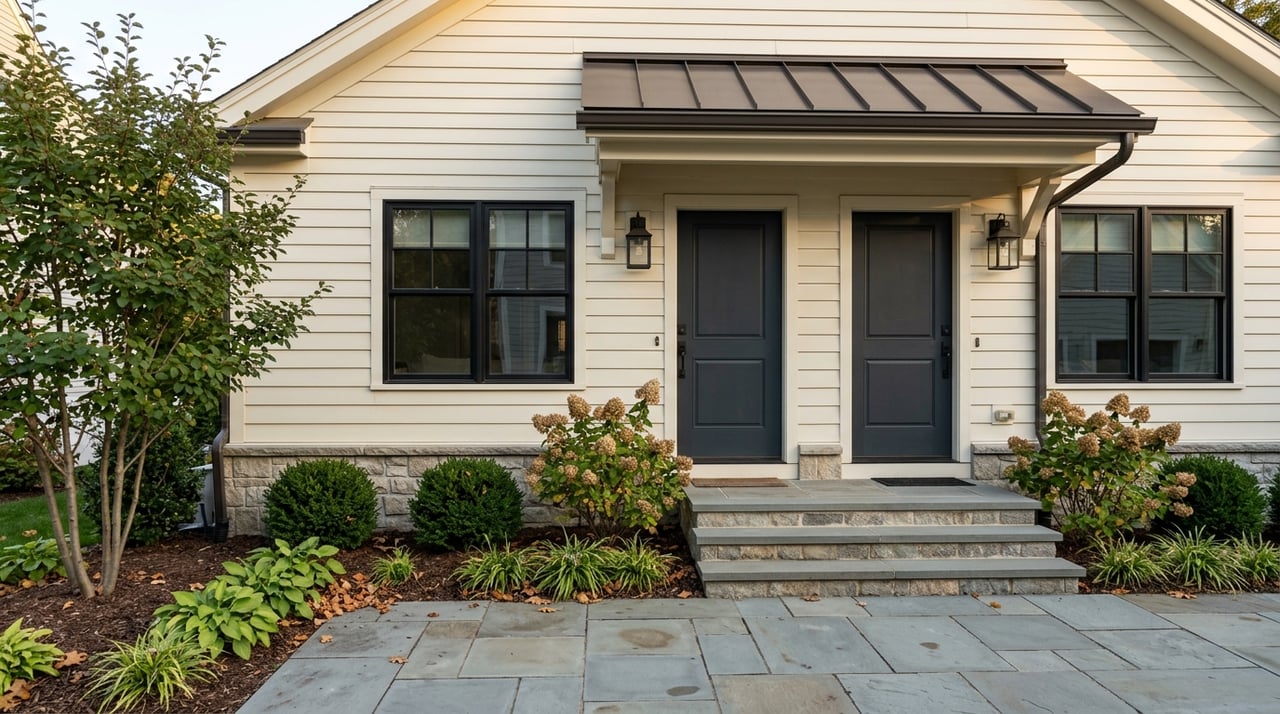
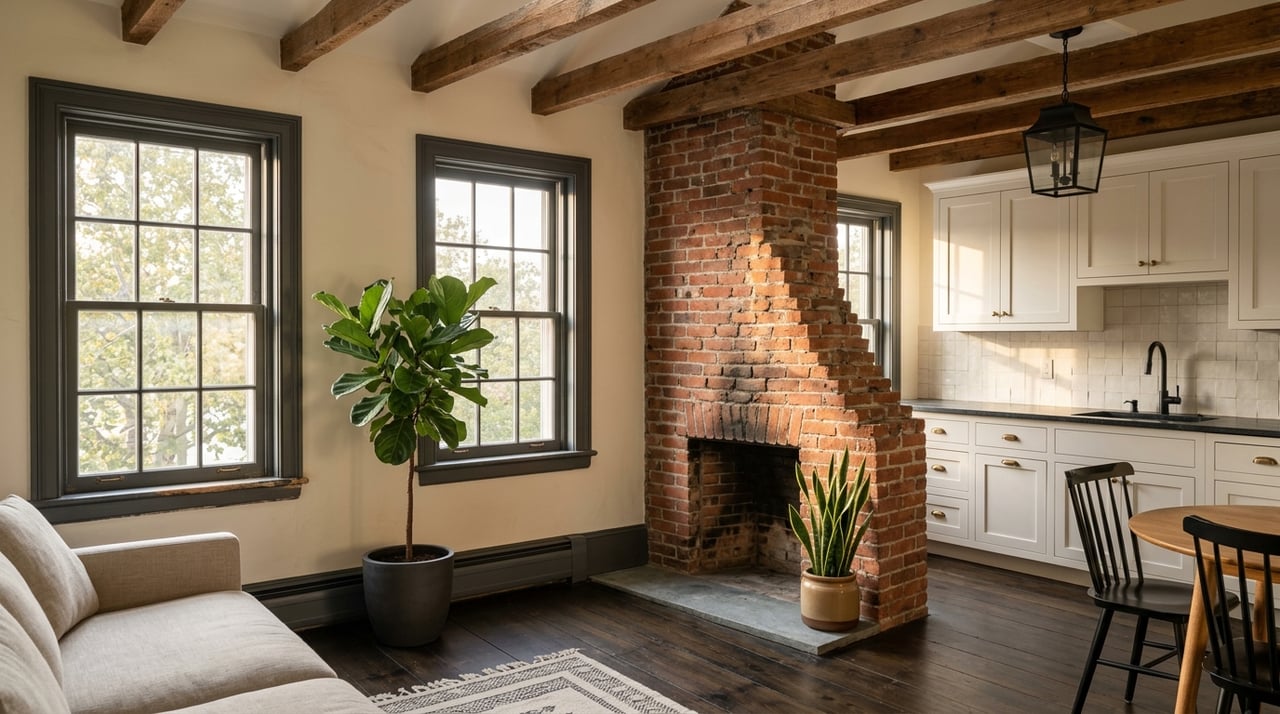
For buyers, downtown and nearby streets can offer several distinct housing experiences. You may find upper-story residential units, homes created through adaptive reuse, or historic houses just outside the core. The lifestyle choice is often less about square footage alone and more about how closely you want to live to the action.
What Buyers Are Really Choosing
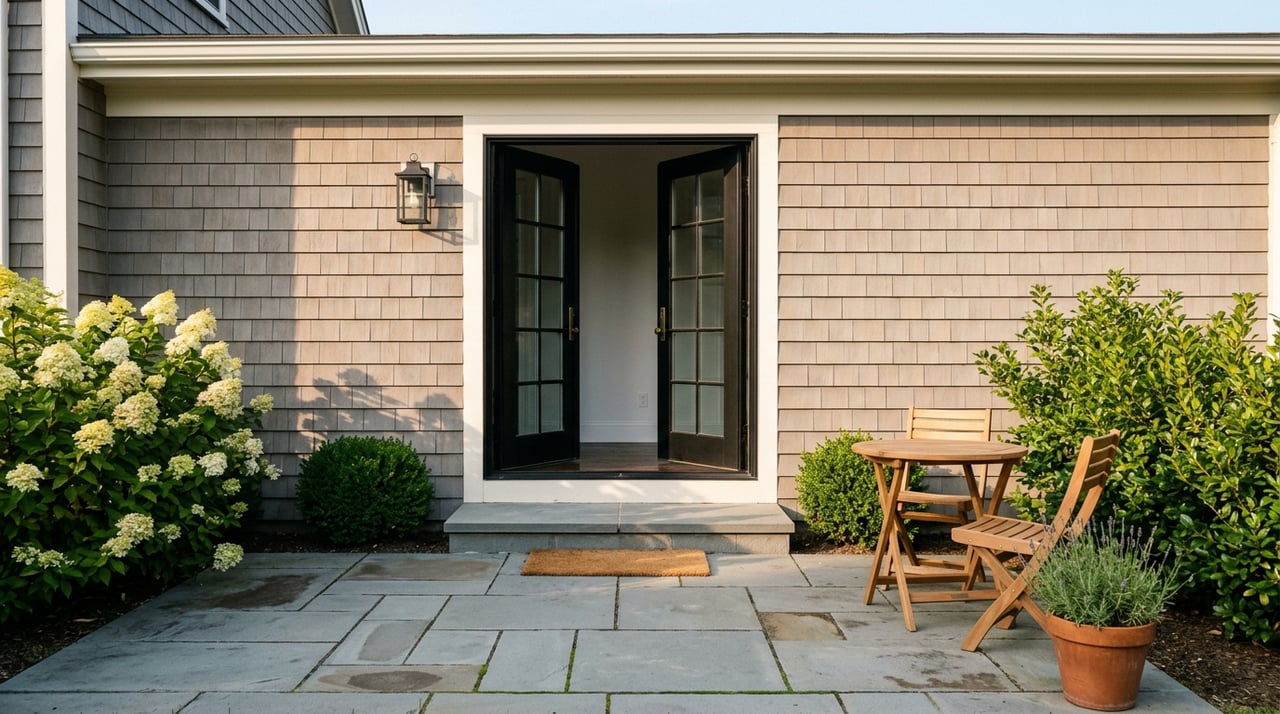
When you buy near downtown Northampton, you are often choosing between lifestyle density and private-lot space. A home in or near the center may give you easier access to restaurants, events, and services, but often with less yard space and a greater need to think about parking, building rules, or shared walls.
That does not make one option better than another. It simply means your priorities should lead the search. If walkability and daily convenience are at the top of your list, downtown living can be a strong fit.
Historic Character and Architecture
Part of downtown Northampton’s appeal is its layered architecture. The area near downtown includes examples of Greek Revival, Italianate, Stick Style, French Second Empire, Queen Anne, Colonial Revival, Romanesque Revival, Classical Revival, and Italian Renaissance design. That variety gives the area a textured feel rather than a uniform look.
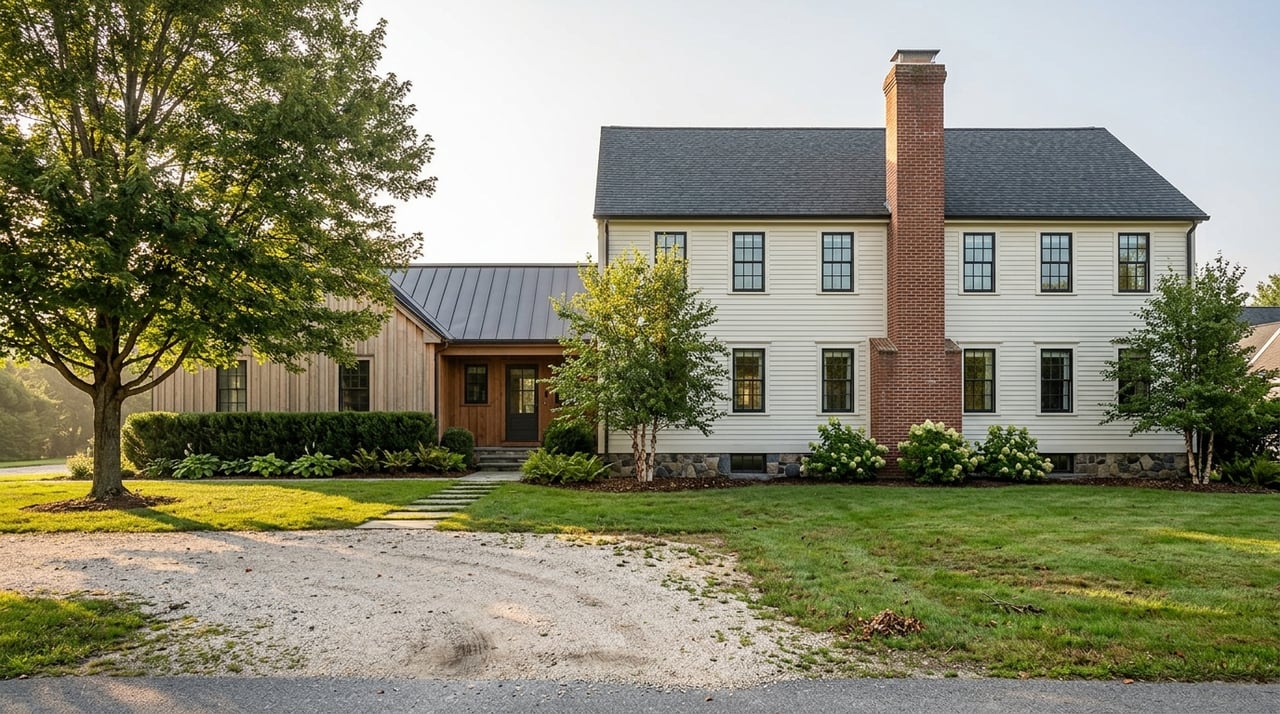
For buyers who love homes with character, this architectural range can be a real draw. You may see historic details, mixed building types, and streetscapes that reflect different periods of development. It is one reason downtown-adjacent neighborhoods can feel visually rich and distinct.
Preservation Shapes the Area
Preservation plays a meaningful role in how downtown and nearby historic areas evolve. The Historical Commission reviews demolition of pre-1945 structures and oversees exterior changes in the Elm Street and Round Hill local historic district. In the downtown core, the Central Business Architecture Committee reviews permit applications to protect historic and architecturally valuable buildings.
For you as a buyer, that can be both a benefit and a consideration. It helps maintain the character that draws many people to Northampton in the first place. At the same time, if you are considering a property with historic significance, you will want to understand how review processes may affect future exterior changes.
Arts and Culture as Daily Life
Downtown Northampton is not just a place to live. It is a place with a recurring cultural calendar that shapes how the area feels week to week and season to season. The city’s Arts Council funds and programs community arts and supports recurring events including First Night Northampton, the Summer Concert Series, Arts Night Out, the Ice Art Festival, the Chalk Art Festival, and Bands on Brewster.
This steady lineup gives downtown a sense of momentum. Instead of culture being an occasional extra, it becomes part of everyday life. If you enjoy living in a place where there is often something happening nearby, this is a meaningful advantage.
Music, Theater, and Galleries
Official city listings highlight venues such as the Academy of Music Theatre, Iron Horse, Northampton Center for the Arts, Parlor Room, A.P.E. Gallery, and BOMBYX Center for Arts & Equity. The Academy of Music Theatre adds another layer of character as a historic building and the first municipally owned theater in the nation.
For residents, these venues add more than entertainment. They create an atmosphere where a night out can be spontaneous and close to home. That kind of convenience often becomes one of the biggest quality-of-life benefits of living downtown.
A Monthly Event Rhythm
Arts Night Out adds a particularly local rhythm to downtown life. Organized by the Downtown Northampton Association, it turns second Fridays into a downtown evening of pop-up art, live music, creative workshops, and gallery openings. For someone imagining daily life here, that suggests a place where the calendar itself helps animate the neighborhood.
There is also a civic and cultural layer beyond performance spaces. City materials point to Historic Northampton on Bridge Street, the Smith College Museum of Art at the other end of Main Street, and Forbes Library’s Calvin Coolidge collection as part of the downtown experience. Together, these destinations broaden what it means to live in the center of Northampton.
Dining, Shopping, and Social Spaces
Downtown Northampton’s commercial mix is a major part of its appeal. Official visitor information describes a concentrated cluster of independent retail, eclectic restaurants and cafés, art galleries, museums, clubs, and theaters. This creates the kind of environment where everyday errands can blend with social time and exploration.
For many buyers, that matters as much as the home itself. Living close to independent businesses can make daily routines feel more personal and more connected to place. It is one of the clearest reasons downtown Northampton stands apart.
Thornes Marketplace and Local Shopping
Thornes Marketplace is one of downtown’s defining landmarks. The restored 1880s building is home to more than 25 locally owned shops, eateries, and experiences. It reinforces the idea that downtown Northampton is built around local browsing, dining, and gathering.
If you value places that feel established and distinctly local, this kind of retail environment can be a big part of the draw. It supports a downtown lifestyle centered on variety and convenience without feeling generic.
Food Culture in the Center
Northampton’s food culture also shows up in its public events. The 2025 Taste of Northampton festival features dozens of participating restaurants and specialty vendors, with offerings ranging from farm-to-table cuisine to international flavors, artisanal desserts, and craft beverages. While it is an event, it also reflects the broader dining identity of the area.
Outdoor dining has become part of downtown street life as well. The city notes that the current program occupies 57 parking spaces, showing how public space is being used to support local business activity and a more vibrant street scene. For residents, that can make downtown feel lively and social even during an ordinary week.
Is Downtown Northampton Right for You?
Downtown Northampton tends to appeal to buyers who care about access, culture, and character. If you want to be near independent businesses, public events, performance venues, and a walkable street network, it offers a lifestyle that is hard to replicate in more spread-out settings. The housing options may be varied, but the common thread is proximity to the center.
It may be less ideal if your top priorities are a large private lot, easy curbside parking, or a quieter, more removed setting. That does not rule the area out, but it does mean your home search should be grounded in how you want to live day to day. The best match usually comes from being honest about your routine, not just your wish list.
If you are considering a move to Northampton, a thoughtful home search can help you compare downtown, downtown-adjacent streets, and other parts of the city with a clear sense of fit. When you understand the tradeoffs, you can make a decision that supports both your lifestyle and your long-term goals.
If you want a clear, tailored perspective on Northampton living and the homes that fit your lifestyle, Lauren Niles offers thoughtful, hands-on guidance from first conversation to closing.
FAQs
What is downtown Northampton like for daily living?
- Downtown Northampton offers a walkable, mixed-use setting with independent shops, restaurants, cafés, art spaces, theaters, and community destinations clustered close together.
What types of homes can you find near downtown Northampton?
- Near downtown Northampton, you may find upper-story residential units, adaptive-reuse homes, and historic houses in nearby districts, with choices that often balance walkability against private outdoor space.
How does parking work in downtown Northampton?
- Downtown Northampton parking is organized around garages, lots, and meters, with more than 1,550 public spaces in and around downtown, including the 24-hour E. John Gare garage.
What makes downtown Northampton appealing to homebuyers?
- Downtown Northampton appeals to buyers who value a walkable setting, access to arts and events, local dining and shopping, and homes with character near the city center.
Does downtown Northampton have a strong arts scene?
- Yes, downtown Northampton has a strong arts presence supported by venues, galleries, museums, and recurring events such as Arts Night Out, First Night Northampton, and the Summer Concert Series.
How does historic preservation affect homes near downtown Northampton?
- Historic preservation can shape exterior changes and demolition review for certain properties and districts, helping maintain the character of downtown and nearby historic areas.