Staring at Stratton condo listings and wondering which community actually fits your ski days, weekend routines, and budget? You’re not alone. When you’re buying a second home or an investment in 05360, the right choice comes down to how you plan to use it, how close you want to be to the lifts and village, and what you expect from the HOA. This guide gives you a clear way to compare communities, ask the right questions, and feel confident about your decision. Let’s dive in.
Start with your priorities
Before you compare buildings, get clear on how you’ll use the home:
- How important is ski access? Do you want ski-in/ski-out, a short walk, or are you comfortable with a shuttle or quick drive?
- Do you want to walk to village dining and shops, or is more space and a garage a bigger priority?
- Will you short-term rent, use it seasonally, or both? What level of management support do you need?
- Do you prefer a full-service experience with higher dues or a simpler HOA with lower fees and more owner involvement?
These answers narrow your search fast and prevent surprises later.
Stratton condo types compared
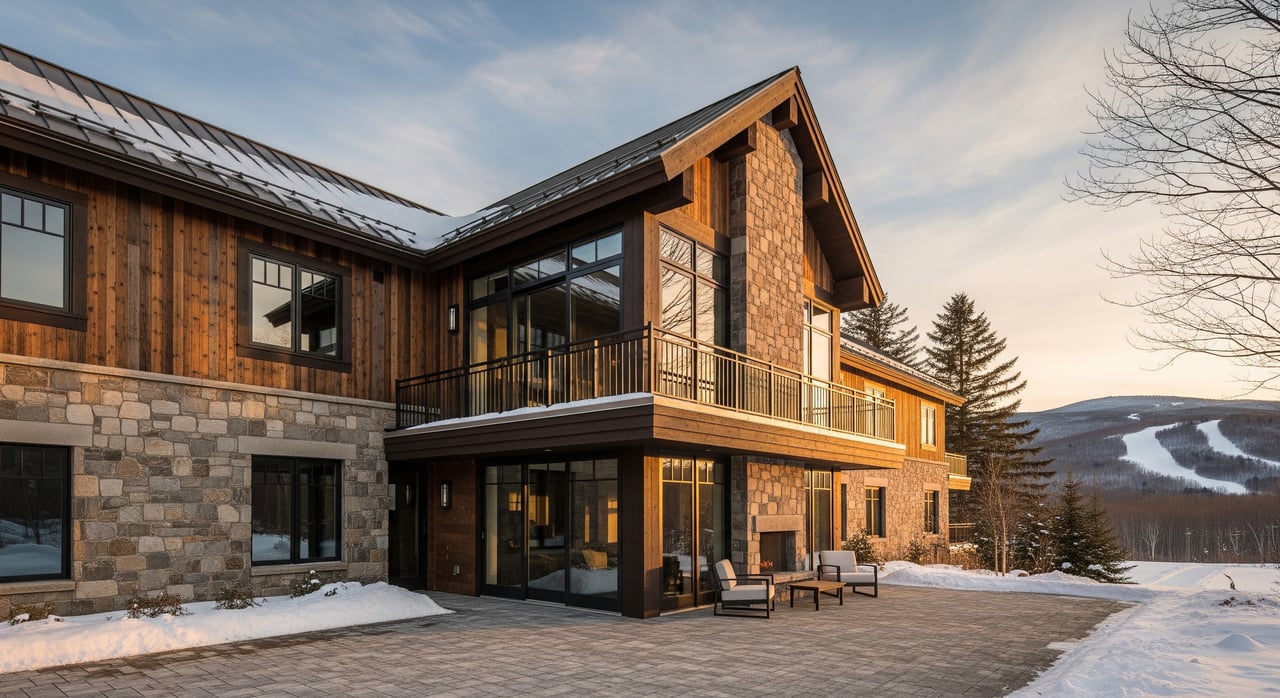
On-mountain and base-area condos
- What they are: The closest communities to the lifts, sometimes truly ski-in/ski-out. You’ll often find hotel-style amenities such as front-desk services, ski lockers, shuttles, and sometimes pools or hot tubs.
- Best for: You want the most convenient ski lifestyle and are comfortable paying a premium per square foot. Floor plans often range from studios to 2 bedrooms.
- Tradeoffs: Expect higher purchase prices and HOA dues. These buildings attract heavy rental demand in peak season and may have specific maintenance or rental program rules.
Village-adjacent communities
- What they are: Set within comfortable walking distance of Stratton’s village dining and services but a bit farther from the lift line. Building types vary and can include condos, walk-ups, or duplex townhomes.
- Best for: You value walkability and convenience, without paying top-tier premiums for direct base access.
- Tradeoffs: Ski access varies. Some rely on a shuttle or a short drive, and amenities differ widely by HOA.
Off-mountain, drive-to townhomes and neighborhoods
- What they are: A short drive from the resort, often 3 to 15 minutes. You’ll see larger townhomes or single-family-style layouts, frequently with private garages.
- Best for: Longer stays, larger groups, or owners who want more space and a lower cost per square foot. These can suit full-time residents or long-term renters.
- Tradeoffs: You’ll depend on a car and have more responsibility for parking and snow management. Not walkable to the village.
Full-service vs. small, owner-run HOAs
- Full-service: On-site front desk or rental management, housekeeping options, and shared amenities. The convenience is excellent for absentee owners, but dues are typically higher.
- Small HOAs: Lower fees and simpler operations, but more owner involvement. Exterior maintenance coverage can be limited, so review what your fees include.
What to compare across communities
Location and access
- Exact distance to lifts, base lodge, and village core. Is it true ski-in/ski-out, a short walk, or shuttle-dependent?
- Parking details: assigned spaces, guest spots, covered parking or garages, and how far the space is from your door. This matters in winter.
- Access to year-round needs: groceries, medical services, and regional travel routes.
Building and unit features
- Unit type and layout: studio, 1–3 bedroom condo, or multi-level townhome. Compare square footage and bed/bath counts.
- Building age and recent updates: roofing, siding, and insulation. Ask about any history of freeze or water issues.
- Storage for gear: ski lockers, mudrooms, drying areas, and private owner storage.
- Heating and utilities: fuel type, insulation, and which utilities are individually metered versus included in the HOA.
HOA health and rules
- Request HOA documents: current budget, reserve study, recent financials, board meeting minutes, and insurance policies.
- Evaluate reserves and assessments: look for a healthy reserve fund and any history of special assessments.
- Rules to check: short-term rental policies, owner-use restrictions, pet rules, guest parking, and any required rental program participation.
Amenities and services
- On-site offerings: shuttle, front desk, pool/hot tub, fitness, ski lockers, BBQ areas, and owner storage.
- Maintenance included: exterior maintenance, plowing, trash, landscaping, and which utilities are covered.
- Convenience factor: full-service buildings can make absentee ownership easier.
Rental potential and programs
- Management: Is there a resort-run program or private manager on-site? Are rentals optional or required?
- Performance: Ask for occupancy and gross rental history for the last 2–3 years if available, with average nightly rates and peak vs. off-peak occupancy.
- Seasonality: Holiday weeks, school breaks, and summer events drive demand. Off-season rates and occupancy are lower, so use full-year comps.
Taxes, fees, and regulations
- Property taxes: Assessed by the town and based on assessed value. Confirm assessed value versus market price.
- Rooms and meals tax: Vermont levies state rooms and meals tax on short-term stays. Some towns have local rules, registration, or inspections. Confirm with the town clerk and state tax authorities.
- Local ordinances: Some resort towns regulate short-term rentals. Verify registration, permits, or caps before you buy.
Financing and insurability
- Condo project approval: Many lenders require Fannie/Freddie project approval for conventional loans. Verify the community’s status up front.
- Down payment rules: Second homes and investment properties often have different requirements than primary residences.
- Insurance: Review what the master policy covers and what falls to the unit owner. Cold-climate coverage for freeze and water is important.
Maintenance and operating costs
- Winter realities: Snow removal, roof snow loads, and heating costs need planning.
- Utilities and dues: Clarify what is included in HOA fees and what is separately metered.
- Operating budget: Expect HOA dues, property management if you rent, utilities during occupied months, owner insurance, taxes, and occasional repairs or assessments.
Resale and liquidity
- Marketability: Units with strong ski access, convenient parking, and turnkey condition tend to resell faster.
- HOA quality: Sound reserves, transparent governance, and flexible rental policies support future buyer interest and value.
For investors: underwriting a rental
If part of your plan is rental income, underwrite conservatively.
- Use actual comps: Ask for 12-month rental history and occupancy from comparable units, not just peak-season numbers.
- Account for costs: Include management fees, platform fees, cleaning, maintenance, and HOA dues. Many short-term managers charge a meaningful percentage, so net income is what matters.
- Plan for seasonality: Winter holiday weeks and school breaks are high demand, and summer has solid appeal. Shoulder seasons are slower, so use full-year averages.
- Align with rules: Confirm whether your HOA allows short-term rentals and whether a resort or private program is required.
Smart tour and offer checklist
Before you write an offer, request:
- Master deed, bylaws, HOA rules, and rental and pet policies
- Current budget, reserve study, last 2 years of financials, and insurance summary
- Recent board meeting minutes to surface upcoming projects or assessments
- Rental income history and any management agreements if sold as an income property
- List of recent or planned capital projects and any known litigation
- Utility history or estimates for heating and electricity
On-site, evaluate:
- True ski access route and walkability to the village in winter conditions
- Parking logistics, snow storage areas, and distance from parking to your door
- Condition of common areas, exterior siding/roofing, and storage availability
- Guest arrival logistics, keyless entry, winterization procedures, and local vendor support
Budgeting without surprises
You’ll see a wide range of HOA fees across Stratton, driven by location and amenity packages. Full-service buildings typically charge higher monthly dues, which can still pencil out if you use on-site management or value the convenience. Smaller HOAs may lower monthly costs but expect more owner responsibility. Always request the fee schedule and what is included, then compare apples to apples across your short list.
For taxes and any short-term rental obligations, confirm requirements with the town clerk and state tax authorities. Rules and rates can change, and compliance should be part of your upfront budgeting.
How to choose in 3 steps
- Set your must-haves. Rank ski access, walkability, space, parking, and rental flexibility.
- Shortlist 2–3 community types. Compare an on-mountain option, a village-adjacent pick, and a drive-to townhome.
- Validate the numbers. Pull HOA docs, ask for rental history if relevant, and check financing and insurance requirements early.
Work with a local advisor
Stratton communities offer something for every buyer, but the right fit depends on how you’ll use the home and how each HOA operates. If you want a single point of contact to help you compare communities, gather documents, and plan for rental or ownership logistics, connect with Lauren Niles. Schedule a Personal Consultation and get tailored guidance from first call to closing.
FAQs
What is the difference between on-mountain and village-adjacent in Stratton?
- On-mountain puts you closest to the lifts and often adds hotel-style amenities with higher dues, while village-adjacent trades direct lift proximity for easy walkability to dining and shops at a lower price point.
Can I legally short-term rent a Stratton-area condo?
- Many communities allow short-term rentals, but policies vary by HOA and local rules; confirm rental policies, registration, and any tax obligations with the HOA, town clerk, and state tax authorities before buying.
How far are off-mountain communities from the Stratton lifts?
- Off-mountain townhomes and neighborhoods are typically a 3 to 15 minute drive, offering more space and lower cost per square foot in exchange for car dependence.
Which HOA documents should I review before making an offer on a condo?
- Request the master deed, bylaws, rules, current budget, reserve study, 2 years of financials, board meeting minutes, and the master insurance summary to reveal fees, reserves, restrictions, and upcoming projects.
Are Stratton condos a good investment for rental income?
- They can be, especially with strong ski access and turnkey condition, but you should underwrite using full-year comps, include all management and cleaning fees, and plan for slower shoulder seasons.
What financing issues are common with resort condos in Vermont?
- Lenders may require condo project approval, larger down payments for second homes or investments, and proof of adequate insurance; verify project approval status early to avoid delays.
What winter costs should I plan for with a Stratton condo or townhome?
- Budget for heating, snow removal, and routine winter maintenance; confirm which utilities and services are covered by the HOA versus separately billed to you.