Wondering how much prep your Greenfield home really needs before you list it? Even in a market that has recently leaned in sellers’ favor, buyers are still comparing homes closely, especially online and during the first showing. A thoughtful pre-listing plan can help your home feel cleaner, brighter, and easier to picture as someone’s next chapter. Let’s dive in.
Why prep still matters in Greenfield
Greenfield’s recent market snapshots show a competitive environment, but not one where presentation stops mattering. Recent data points have shown median sale and listing prices in the low $300,000s, days on market ranging from about three weeks to over a month, and sale-to-list performance near 97%.
What that means for you is simple: buyers still notice condition, layout, and overall feel. If your home looks well cared for and photographs well, it can stand out faster in a field where buyers have options.
Greenfield also has an older housing stock. The city’s housing plan says 46% of housing units were built in 1939 or earlier, 54% were built before 1950, and most housing stock was built before 1960.
That age can be a real asset when your home has character, original detail, and warmth. It also means small maintenance issues can draw more attention, so the goal is usually to highlight charm while reducing visible wear.
Focus on visible, high-impact updates
You do not need a full renovation to make your home showcase-ready. In most cases, the best return comes from modest, visible improvements that help buyers feel confident from the start.
Start by thinking about what a buyer sees in photos and in the first five minutes of a showing. Cleanliness, light, flow, and upkeep matter more than expensive changes that may not match the next owner’s taste.
Start with the exterior
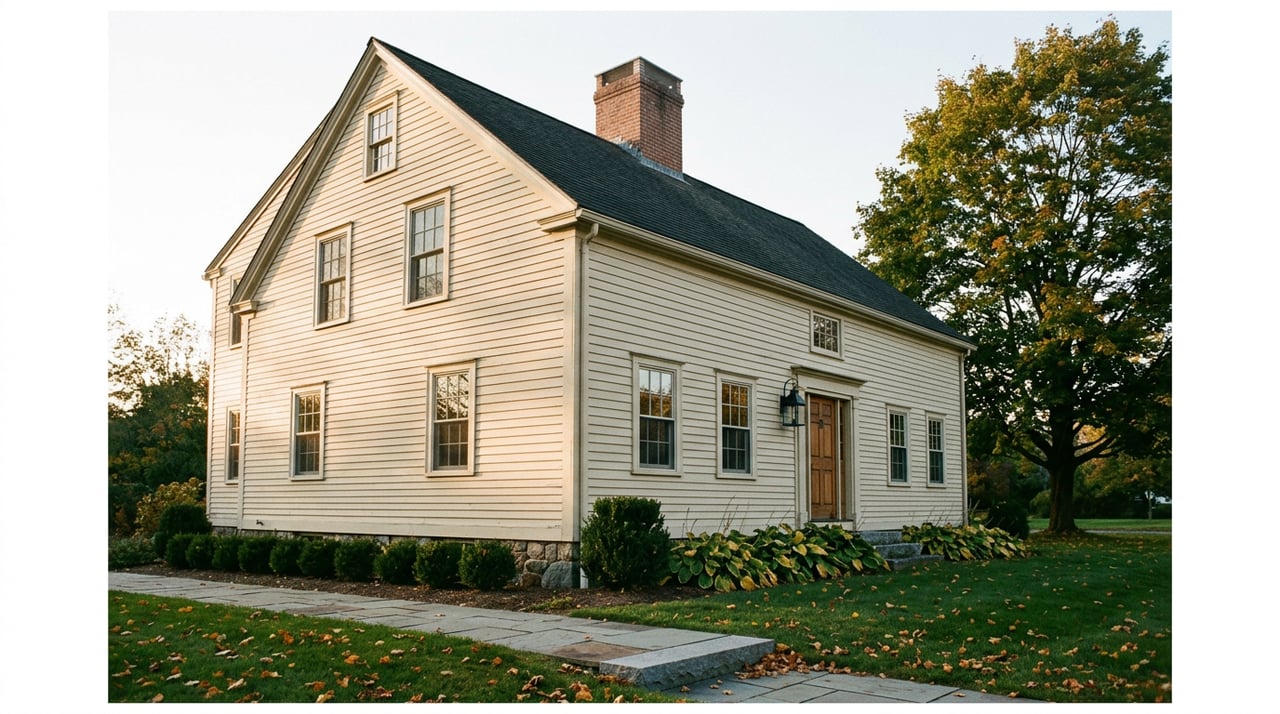
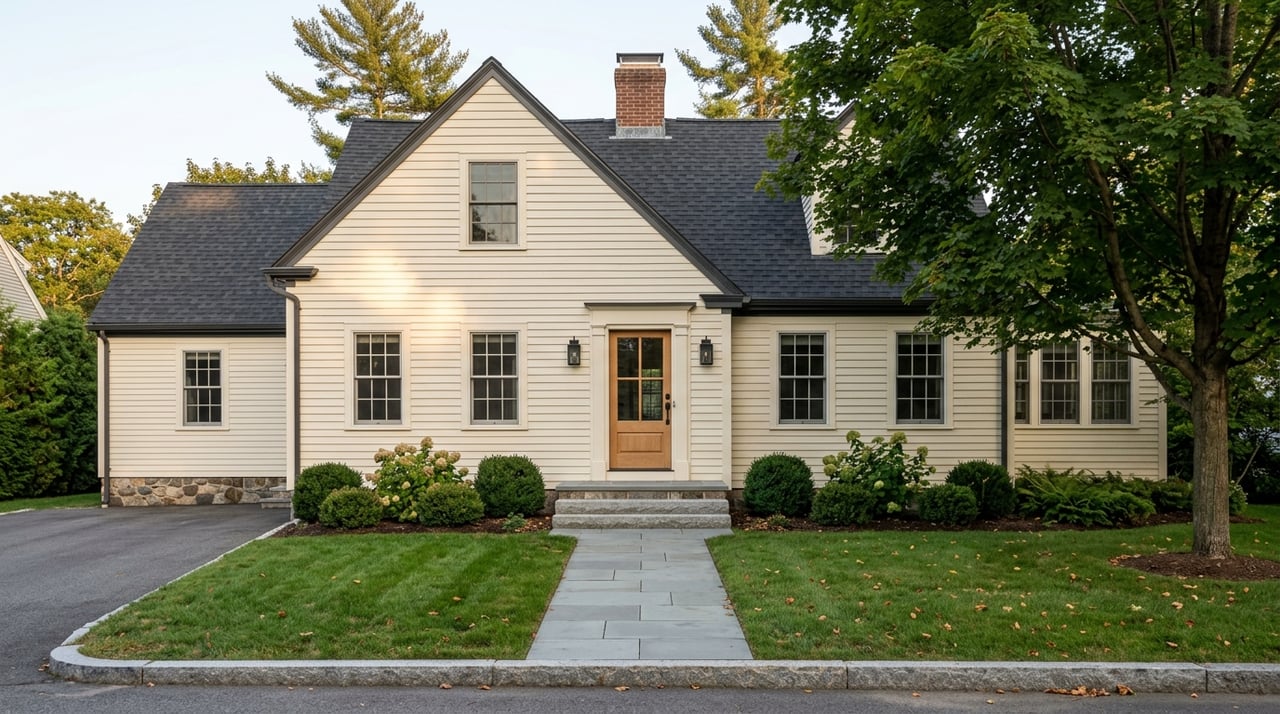
Your home’s exterior sets the tone before a buyer walks inside. A tidy, simple approach works well: clear the walkway, sweep the porch, clean the front door, and make sure the entry feels bright and cared for.
A welcome mat or a few potted plants can help if they fit the style of the property. For many Greenfield homes, especially older ones, these small touches help the house feel maintained without looking overdone.
Fix small signs of wear
Minor flaws can leave a bigger impression than sellers expect. Peeling paint, loose hardware, worn screens, dirty siding, and clutter near the stoop or driveway can distract from the home’s best features.
These are often relatively manageable fixes, but they carry weight because buyers may read them as a sign of deferred maintenance. If your budget is limited, prioritize the items that are most visible from the street and at the front entry.
Declutter before you decorate
Staging works best when it helps buyers imagine themselves in the space. According to the 2025 Profile of Home Staging from the National Association of Realtors, 83% of buyers’ agents said staging made it easier for buyers to visualize a property as a future home.
That does not mean you need designer furniture or a full home makeover. It means you want each room to feel open, calm, and easy to understand.
Pack personal items early
One of the smartest pre-listing moves is to start packing before the house goes on the market. Put away personal photos, collections, extra countertop items, and anything that makes rooms feel busy.
This step serves two purposes. It makes your home look more spacious, and it gives you a head start on your eventual move.
Remove extra furniture
Too much furniture can make rooms feel smaller and harder to navigate. If a room feels tight, remove pieces that block walkways or make the layout confusing.
This is especially important in older homes where room sizes and transitions may already feel less open than newer construction. Your goal is to show clear flow and purpose in every space.
Simplify closets and storage
Closets matter more than many sellers realize. Overstuffed closets can make buyers wonder if the house has enough storage.
A good rule of thumb is to get closets to about half full if possible. That helps them look functional, roomy, and easier to maintain.
Prioritize the rooms buyers notice most
If you do not have time or budget to stage every room, focus on the spaces buyers care about most. The 2025 NAR staging report found that buyers most want staging in the living room, followed by the primary bedroom and kitchen.
That order gives you a practical roadmap. Start where buyers are most likely to form an emotional connection, then work outward from there.
Living room
The living room often shapes the overall feeling of the home. Keep surfaces clean, reduce visual clutter, and arrange seating to show conversation space and easy movement.
If the room has attractive features like wood trim, built-ins, or good natural light, make sure those details are easy to see. Avoid overcrowding the space with accent pieces.
Primary bedroom
The primary bedroom should feel restful and simple. Fresh bedding, fewer personal items, and a clean nightstand setup can go a long way.
If the room is small, scale back furniture to the essentials. Buyers should be able to see how the room functions without feeling boxed in.
Kitchen
In the kitchen, less is usually more. Clear most items from counters, wipe down cabinet fronts, and remove anything that makes the room feel cramped or overly busy.
If your kitchen has older finishes, cleanliness becomes even more important. Buyers are often very forgiving of age when a space feels bright, neat, and well maintained.
Address common buyer turn-offs
Small issues can undermine an otherwise strong listing. NAR highlights odors, distracting noises, poor lighting, and awkward spaces as some of the most common showing turn-offs.
The good news is that these issues are often fixable without a major spend. A few practical changes can make your home feel much more welcoming.
Improve lighting
Open blinds and shades to bring in natural light before photos and showings. Replace dim or mismatched bulbs so the home feels consistent from room to room.
Good lighting helps buyers notice space, texture, and condition. It also makes listing photos look cleaner and more polished.
Eliminate odors and noises
Musty smells, pet odors, dripping faucets, and squeaky hinges can quietly chip away at buyer confidence. These details may seem small when you live in the home every day, but they stand out during a showing.
Before listing, take time to deep clean, air out the home, and repair easy nuisance items. Calm, clean, quiet spaces tend to show better.
Define every room’s purpose
If a space feels confusing, buyers may struggle to understand how to use it. This is common in older homes with bonus rooms, pass-through areas, or unusual layouts.
Try to give each room a clear role. Whether it is a dining area, reading nook, office, or guest room, a defined purpose helps buyers understand the home more quickly.
Time photos for your best presentation
Online presentation is central to the selling process. In NAR’s 2025 staging report, buyers’ agents rated photos as especially important in listings, with videos and virtual tours also carrying strong value.
That means your home should be fully cleaned, decluttered, and lighting-ready before photography is scheduled. Photos capture every surface, corner, and sightline, so preparation should come first.
Prep for listing photography
Before the photo session, make sure:
- counters are mostly clear
- beds are neatly made
- towels are fresh and simple
- blinds are adjusted for light
- light bulbs match in color tone
- floors and reflective surfaces are clean
This is where thoughtful styling can have a real impact. A polished visual presentation helps your home stand out online, where many buyers decide which properties are worth seeing in person.
Consider virtual staging carefully
For vacant homes or rooms that are hard to read, virtual staging can help buyers understand scale and function. It can be especially useful when a room feels empty or awkward in photos.
The key is accuracy. Material photo enhancements should be disclosed, and the images should still reflect the property honestly.
Plan ahead for older-home paperwork
Because Greenfield has so many older homes, it is smart to think about disclosures early in the process. For homes built before 1978, federal lead-based paint disclosure rules apply to most sales, and Massachusetts also requires sellers and real estate agents to notify buyers of lead risks for homes built before 1978.
If your home falls into that age range, verify your paperwork sooner rather than later. Handling this early can help your listing process feel smoother and more organized.
A smart Greenfield prep strategy
For many Greenfield sellers, the best plan is not a major overhaul. It is a focused, practical approach that makes the home feel clean, bright, and cared for.
That usually means:
- deep cleaning throughout
- decluttering aggressively
- repairing small visible defects
- clarifying room layout and purpose
- preparing carefully for photography
- organizing older-home disclosure documents early
This kind of prep respects both the local housing stock and how buyers shop today. It helps you present your home with confidence while keeping your time and budget pointed at the changes buyers are most likely to notice.
If you’re thinking about selling and want a tailored plan for what to fix, what to leave alone, and how to present your home at its best, Lauren Niles offers thoughtful, hands-on guidance shaped by local market insight and a presentation-driven approach.
FAQs
What should you fix before selling a home in Greenfield?
- Focus first on visible, confidence-building items like peeling paint, loose hardware, worn screens, dripping faucets, squeaky hinges, poor lighting, and any clutter or maintenance issues around the entry and main living spaces.
Which rooms matter most when staging a Greenfield home for sale?
- Start with the living room, then the primary bedroom, then the kitchen, since these are the rooms buyers most often want to see staged and understood clearly.
How much staging does a Greenfield seller need?
- Most sellers do not need a full redesign. In many cases, decluttering, removing extra furniture, using fresh bedding and towels, and defining each room’s purpose can make a meaningful difference.
When should you schedule listing photos for a Greenfield home?
- Schedule photography only after the home has been cleaned, decluttered, and lit consistently, since photos are a major part of how buyers decide which homes to visit.
What should sellers know about lead paint disclosure in Greenfield?
- If your home was built before 1978, it is smart to verify lead-related paperwork early because federal rules apply to most pre-1978 homes and Massachusetts also requires notice of lead risks to buyers.