Thinking about a condo near downtown Northampton or a house in Florence or Leeds? You are not alone. Many buyers compare convenience, space, and long-term costs before choosing. This guide breaks down what really affects your budget and day-to-day life so you can decide with confidence. Let’s dive in.
Northampton living: downtown vs neighborhoods
Downtown condo context
Downtown Northampton offers high walkability, cultural venues, restaurants, and shops. Many condo options come from historic conversions, smaller buildings, and newer townhouse-style projects. Expect easier access to transit and activities, plus fewer exterior chores if the association manages them.
Florence and Leeds house context
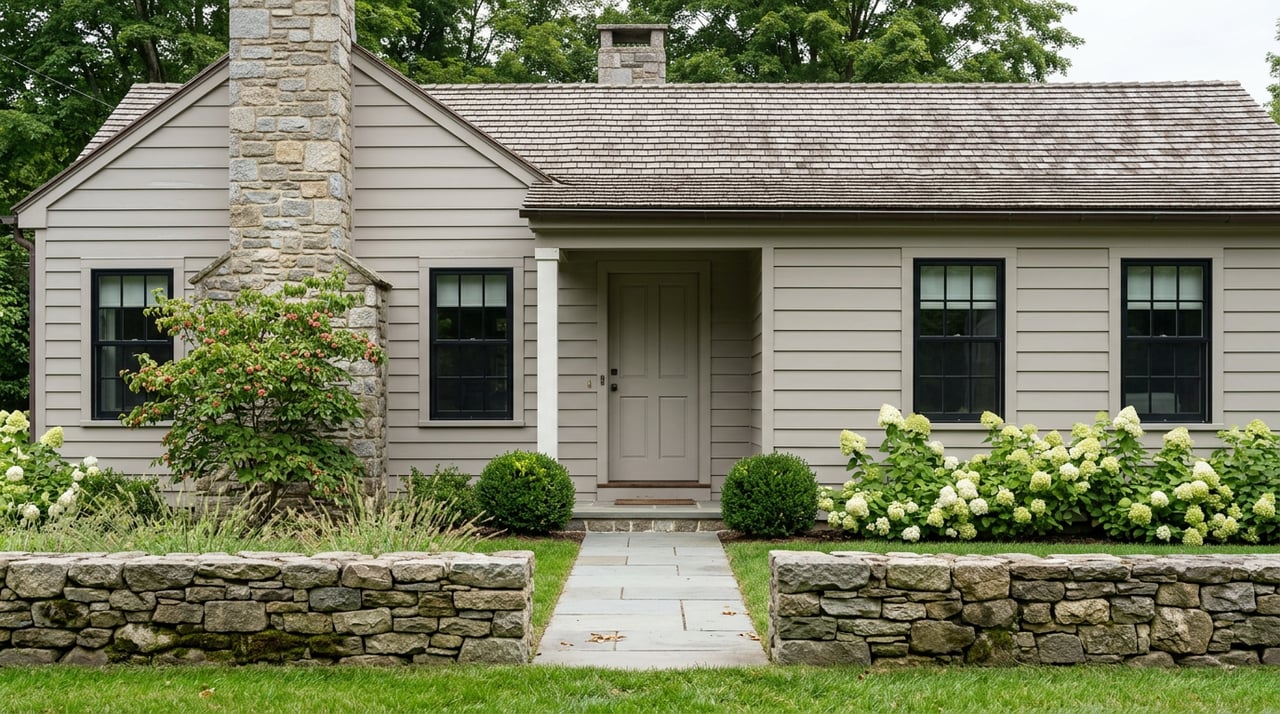
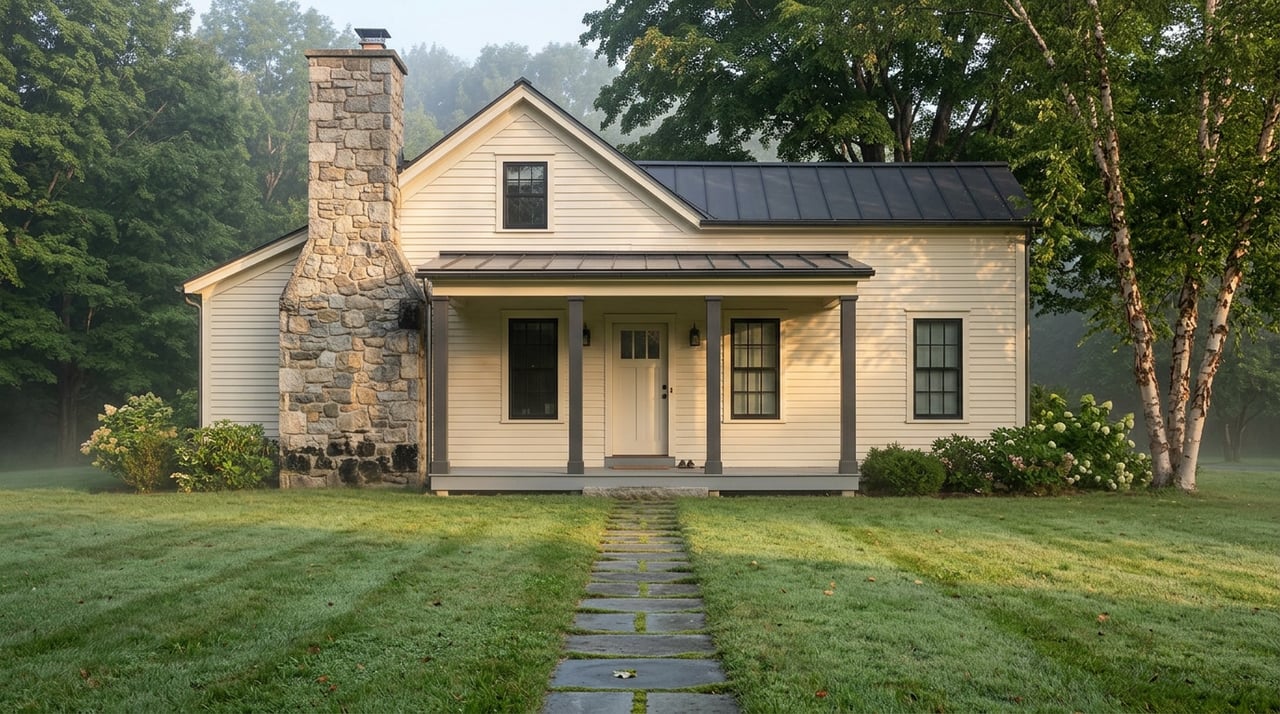
Outlying neighborhoods like Florence and Leeds offer more single-family homes, larger lots, and quieter streets. You will often find more storage, garages, and private outdoor space. Older homes can deliver character and room to grow, with a higher chance of deferred maintenance to plan for.
True cost: what to compare
Purchase price and financing
Condos often cost less in total price than single-family homes, though per-square-foot pricing downtown can be higher due to location and finishes. Lenders use condo project eligibility rules, which can affect down payments and loan options. If a project is non-warrantable or has reserve issues, financing may be tighter, so verify eligibility early.
Property taxes and assessments
Property tax equals assessed value times the tax rate. Each condo unit is assessed separately. For similar assessed values, tax bills are comparable across condos and houses. Focus on assessment, exemptions you may qualify for, and how assessments may change after purchase.
Insurance differences
Single-family homeowners typically carry an HO-3 policy that covers the entire structure and contents. Condo owners usually carry an HO-6 policy that covers interior improvements, personal property, and liability, while the association’s master policy covers common elements. Review the master policy and bylaws to confirm what the HOA insures and what you must cover.
HOA fees and reserves
Condo fees often include exterior maintenance, common area care, snow removal for shared spaces, some utilities, and the master policy for common elements. Fees vary with amenities, age, condition, and whether utilities are included. Strong reserves help prevent special assessments. Review reserve studies, financials, and meeting minutes for red flags.
Utilities and energy
Condos with shared walls can be efficient to heat, especially in colder months. Actual costs depend on insulation, HVAC type, and whether utilities are bundled in the HOA fee. Single-family homes have more exposed envelope and can cost more to heat and cool, but you can upgrade insulation and systems to improve efficiency.
Maintenance and repairs
Single-family owners are responsible for everything interior and exterior, including roof, siding, driveway, and yard. Condos shift exterior tasks to the association, leaving you with interior upkeep and any limited elements defined in the bylaws. A homeowner rule of thumb is to set aside roughly 1 to 4 percent of the home’s value each year for maintenance, with higher percentages for older homes. Condo owners generally see lower out-of-pocket maintenance, traded for predictable monthly HOA fees.
Snow removal and groundskeeping
Condo associations commonly handle snow and ice for shared walks and parking areas, but confirm the scope. Some associations exclude private patios or assigned spaces. Single-family owners handle their own driveways and walks, whether DIY or by contract. Driveway size, slope, and parking needs drive costs and effort.
Parking and vehicles
Downtown condos may have assigned spots, shared lots, or street permits, and some units may not include parking at all. That can add a monthly parking cost and affect resale appeal. Most single-family homes in Florence and Leeds have a driveway and often a garage for storage and vehicle protection.
Resale and transaction details
Walkable downtown condos can be very liquid if buyer demand is strong, but buildings with financing hurdles or unusual features may be slower to sell. Condos may involve document fees and HOA approvals during resale. Single-family homes offer broad buyer appeal when maintained well, but unique homes can attract a narrower audience.
Lifestyle tradeoffs that matter
Walkability and time
Condos downtown offer a short walk to restaurants, shops, and cultural events. If you want to spend less time on yard care and snow, a well-managed condo can free up weekends. Houses in Florence or Leeds often require more time for maintenance and a car for daily errands, so budget for both.
Space and privacy
Single-family homes typically deliver more living area, private yards, and storage. If you need a workshop, garage, or room for hobbies, a house often fits better. Condos may have smaller footprints and shared spaces with more neighbor activity.
Pets, outdoor space, and projects
If a yard and gardening matter to you, a house is often the clear choice. If you prefer a low-maintenance balcony or a small patio, a condo may be enough. Review condo rules on pets and renovations to avoid surprises.
Noise and community vibe
Downtown living can include lively street energy and occasional noise. Outlying neighborhoods tend to be quieter with more privacy. Consider your noise tolerance and social preferences.
A simple cost formula
Use this framework to compare apples to apples when you shop:
- Total monthly housing cost = Mortgage payment (principal + interest) + Property tax + Insurance (HO-3 or HO-6) + HOA fee (if condo) + Utilities + Monthly maintenance reserve + Snow and landscaping (if not covered by HOA) + Parking costs (if any)
Create side-by-side estimates for your top properties using actual quotes, recent utility bills, and association documents.
Sample scenarios for clarity
These are illustrative examples only to show how costs add up. They are not Northampton market figures.
Scenario A — Downtown condo for a young professional
- Purchase price: $300,000
- Mortgage payment: $1,200
- Property tax: $250
- HO-6 insurance: $25
- HOA fee: $350
- Utilities: $150
- Maintenance reserve: $50
- Parking: included, or $75 if rented off-site
- Example total monthly cost: about $2,100
Scenario B — Single-family in Florence for a growing household
- Purchase price: $450,000
- Mortgage payment: $1,800
- Property tax: $375
- Homeowner insurance: $100
- Utilities: $250
- Maintenance and capital reserve: $56
- Snow and landscaping averaged monthly: $75
- Garage and driveway: included
- Example total monthly cost: about $2,656
Scenario C — Low-maintenance condo for a downsizer
- Purchase price: $350,000
- Mortgage payment: $1,400
- Property tax: $290
- HO-6 insurance: $35
- HOA fee: $650
- Utilities: $120
- Maintenance reserve: $30
- Example total monthly cost: about $2,525
Interpretation: Condos often shift exterior work and some utilities into predictable HOA fees. Houses can have fewer fixed monthly fees but higher variable exposure for repairs, snow, and landscaping. Your total depends on price, HOA services, and how much maintenance you are comfortable managing.
Decision checklist
Use this quick list to frame your search and budget:
- Budget and monthly capacity, including taxes, insurance, HOA, utilities, and reserves.
- Maintenance tolerance, DIY preferences, and time available for chores.
- Must-haves like bedroom count, outdoor space, garage, and walkability.
- Risk tolerance for special assessments or unexpected repairs.
- Lifestyle priorities across culture, transit access, privacy, and storage.
What to review before you buy
Condo documents to request
- Condominium master deed and bylaws.
- HOA financials and reserve study from the last 2 to 3 years.
- Recent HOA meeting minutes and a history of special assessments.
- Master insurance policy detailing common element coverage.
- Rules on rentals, pets, and renovations.
House records to request
- Seller property condition disclosure and any recent inspections.
- Septic inspection or confirmation of municipal sewer service.
- Permit history and any historic district or zoning restrictions.
Local contacts to consult
- Assessor for current assessments and tax rate methodology.
- Building and zoning departments for permits and allowable uses.
- Registry of Deeds for deed history and encumbrances.
- Insurance agents for HO-3 and HO-6 quotes, including flood needs.
- Local contractors and snow services for realistic seasonal pricing.
- HOA board or manager for financials, reserves, and maintenance plans.
- Real estate attorneys for document review when needed.
Smart questions to ask
- Condo: Are there pending lawsuits, planned special assessments, or owner delinquency issues? What is the reserve fund level and is the project FHA or VA eligible? What does the master policy cover and exclude?
- House: When were the roof, heating, electrical, and major systems last replaced? Is the property in a flood-prone area or bound by specific zoning or wetlands rules? What repairs are recommended in recent inspections?
Next steps
If you want the walkable energy of downtown Northampton, a condo can deliver convenience with fewer exterior responsibilities. If you want space, a yard, and flexibility for projects, a house in Florence or Leeds can be a great fit. Either way, the right choice comes from a clear total cost comparison and a lifestyle match.
If you would like a personalized side-by-side analysis of specific properties, connect with Lauren Niles to Schedule a Personal Consultation.
FAQs
Who usually handles snow removal for Northampton condos?
- It depends on the association. Many HOAs cover common walks and parking areas, while owners may be responsible for private patios or assigned spaces. Always confirm the scope in the rules.
Are condo HOA dues tax-deductible for a primary home?
- Generally no. There can be exceptions for rental or business use. Consult a tax professional for your situation.
Will a Northampton condo be harder to finance than a house?
- Possibly. Lenders review the project’s reserves, owner-occupancy, and any litigation. Confirm condo eligibility with your lender before you commit.
How can I estimate maintenance for an older single-family house?
- Use inspection findings to plan immediate repairs and budget an annual reserve of about 1 to 4 percent of value, adjusted for age and condition. Get quotes for major systems.
What are HOA special assessments and why do they happen?
- If reserve or operating funds are not enough for a capital project, the board may levy a special assessment. Review reserve studies, financials, and assessment history to understand risk.
What parking differences should I expect downtown vs neighborhoods?
- Downtown condos may have limited or paid parking, including street permits or assigned spots. In Florence and Leeds, most single-family homes include a driveway and often a garage, which reduces ongoing parking costs.