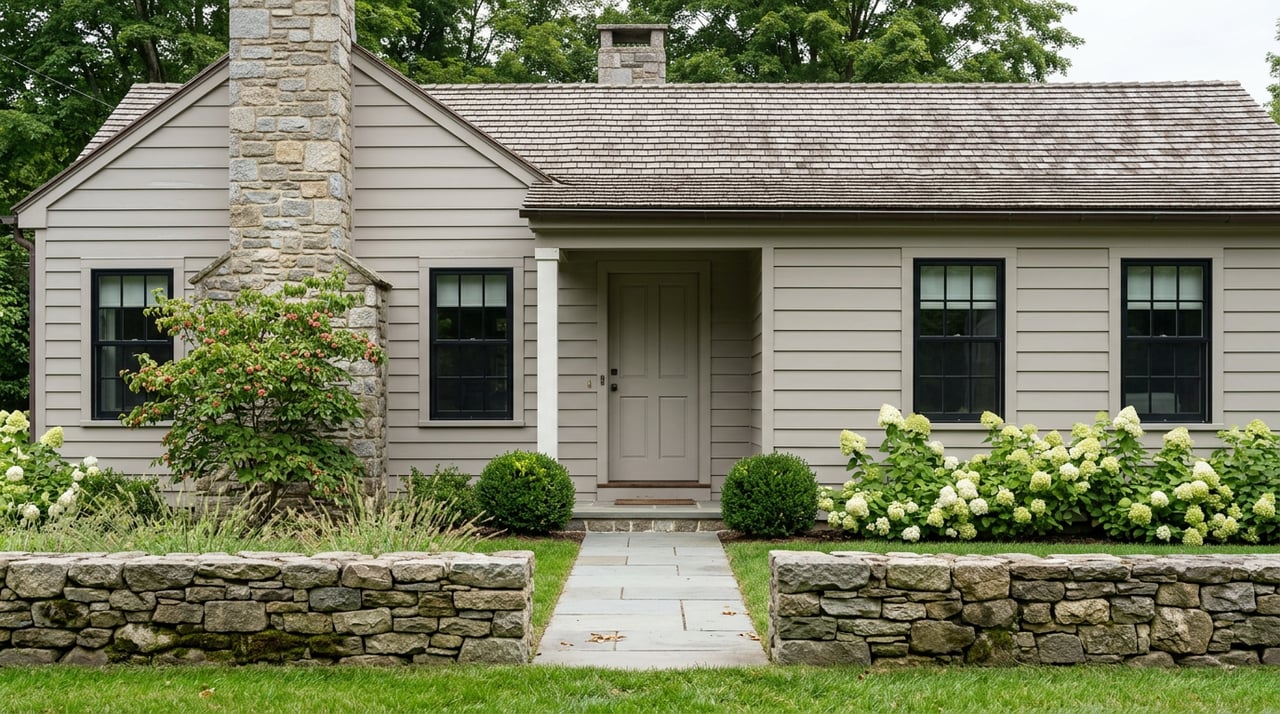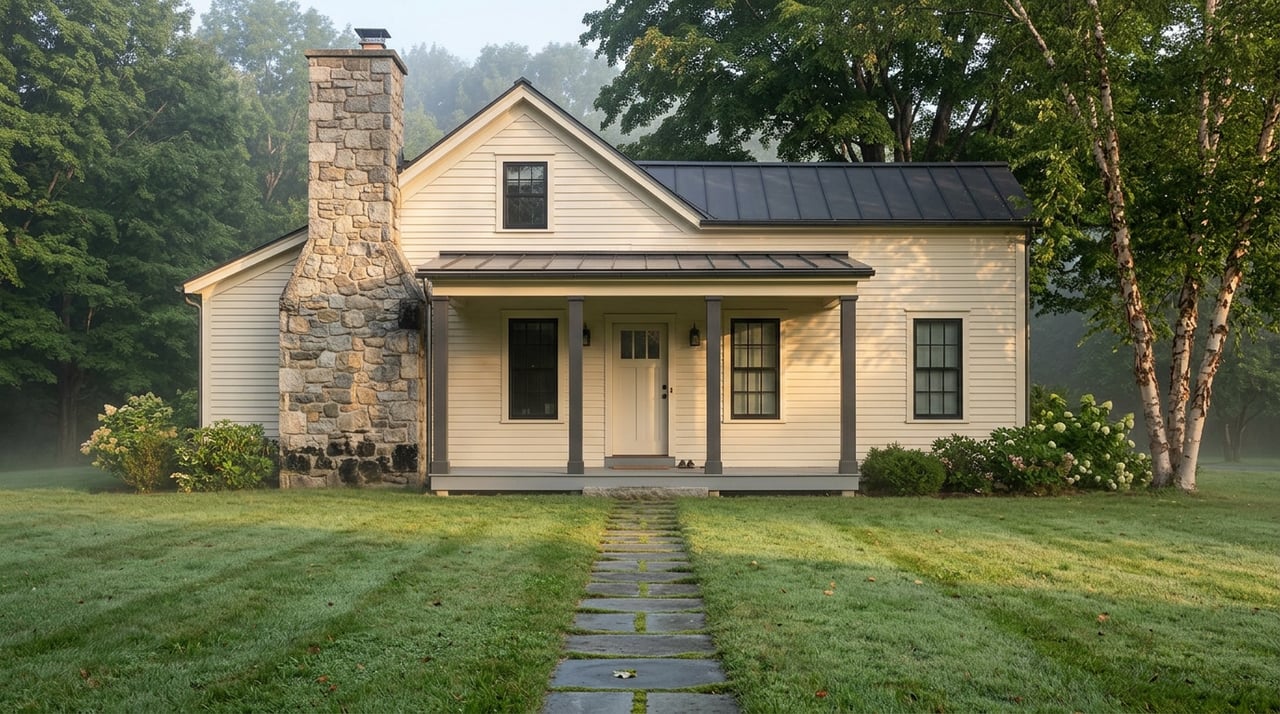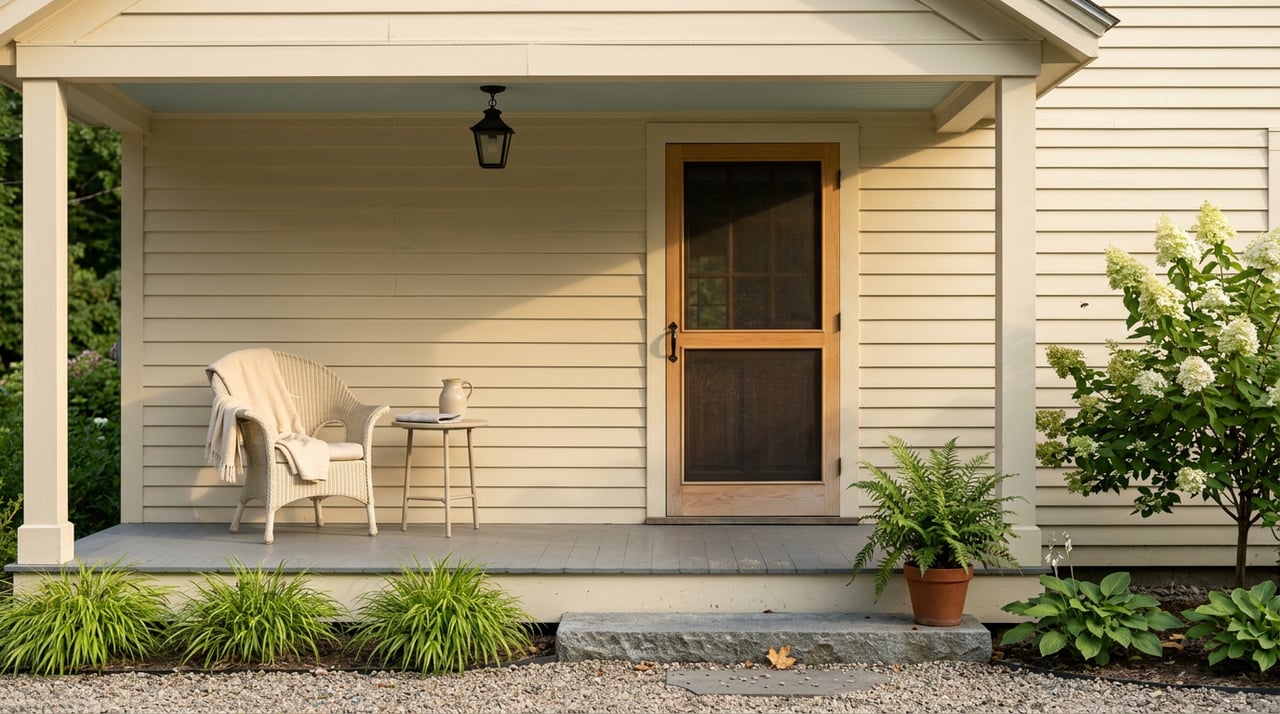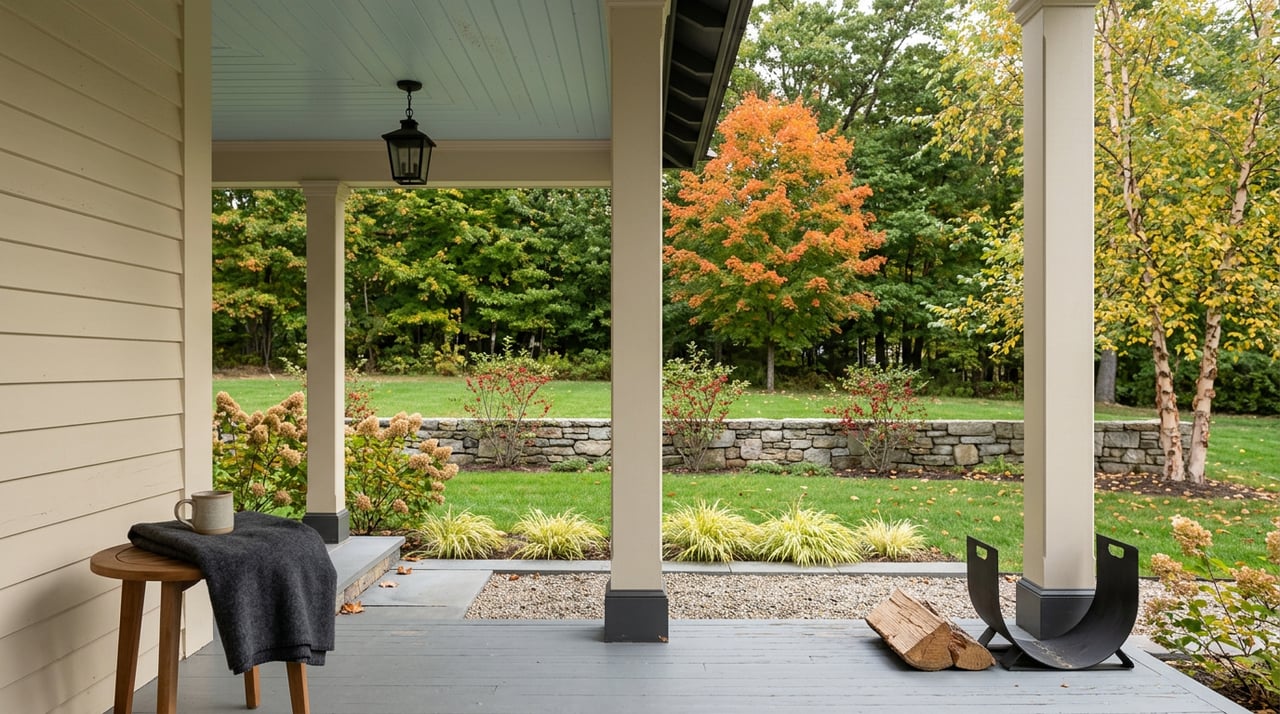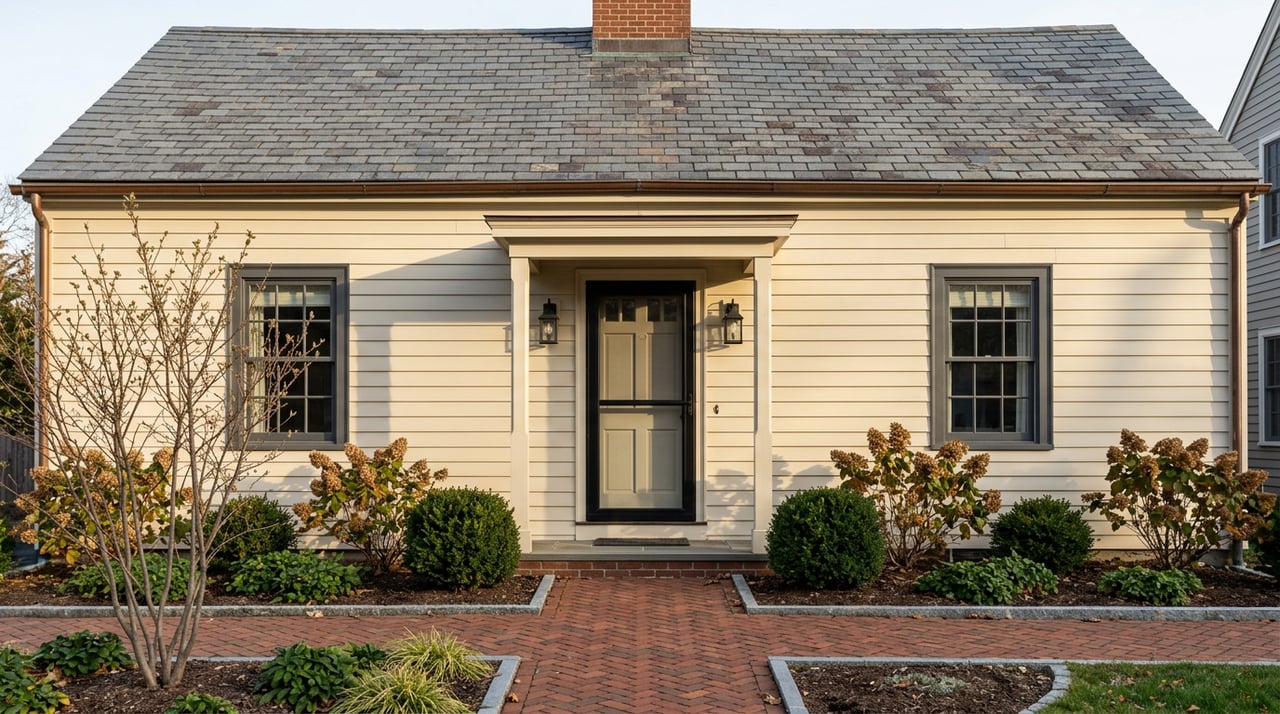
Torn between a storied Victorian near downtown and a sleek, energy‑savvy build on a quieter street? You are not alone. In Northampton, you can choose from character-rich 19th‑century homes and newer, low‑maintenance options that fit modern life. In this guide, you will learn what each path offers, what upkeep really looks like, and how to plan smart upgrades and approvals in Northampton. Let’s dive in.
Northampton market snapshot
Northampton has a strong mix of 19th‑ and early‑20th‑century homes with pockets of newer and infill construction. The typical Northampton home value sits near $469,120 as of late January 2026, which gives you a sense of the mid-market context for planning and budgeting.
Historic homes cluster along older streets with mature trees and sidewalks, often close to cultural destinations and community events. If you love being near galleries, museums, and seasonal programming, browse resources from Historic Northampton to get a feel for the local story and streetscape.
Historic homes: what to expect
You will see Federal and Greek Revival through Italianate, Queen Anne, and Colonial Revival in neighborhoods with 1800s to early‑1900s roots. Areas like the Pomeroy Terrace district include a range of high‑style and more modest historic homes that showcase this mix of architecture and craftsmanship. For a deeper look at styles and period details, review the Pomeroy Terrace National Register documentation.
Inside, historic houses often deliver tall ceilings, plaster walls, hardwood floors, decorative trim, and porches that define curb appeal. Many also retain original wood‑sash windows and masonry chimneys. These features create instant character and a sense of place.
Expect more compartmentalized layouts and smaller closets than you find in newer builds. Kitchens and baths may be updated, but many still reflect earlier eras. If you want an open plan, you might plan selective renovations after you move in.
Historic highlights
- Original millwork, wood floors, and sash windows
- Front porches and detailed façades with strong curb appeal
- Proximity to older street grids and cultural amenities
Modern homes: what to expect
Newer construction and well-executed renovations in Northampton tend to prioritize open kitchens, flexible living spaces, larger closets, and attached or integrated garages. You will also see modern wiring and plumbing, central HVAC or mini‑splits, and insulation that meets current codes for year‑round comfort.
Smaller infill lots near downtown mix with newer subdivisions a bit farther out. The tradeoff is straightforward. You gain convenience, predictability, and lower near‑term maintenance, and you give up some original architectural character and the patina of age.
Modern perks
- Open layouts and right‑sized storage
- Updated systems for easier ownership
- Turnkey comfort with fewer immediate projects
Everyday living differences
Daily routines feel different in each type of home. In a historic house, you get texture and personality the moment you walk in, with streets that often connect naturally to downtown arts and community life. If you enjoy that context, explore the local scene through Historic Northampton.
Comfort can vary seasonally in older homes until you address insulation and air sealing. According to national preservation guidance, many historic houses perform well after targeted envelope and system upgrades that respect original materials and finishes. See the National Park Service overview on energy efficiency and resilience in historic buildings for a grounded approach.
In newer homes, you will likely have central air or efficient heat pumps already installed, plus modern electrical systems that support work‑from‑home setups and smart devices without extra work.
Maintenance and systems
Envelope and exterior
Older foundations, brick, and stone sometimes need repointing, drainage improvements, or stabilization over time. The National Park Service outlines common issues and material‑appropriate repairs in its guide to brick masonry problems. Moisture control and compatible mortar are key.
Windows and trim
Original wood windows are character‑defining. National preservation guidance often favors repairing sash and adding well‑fitted storm windows instead of full replacements. Done well, a repair‑plus‑storm approach can deliver strong energy performance while protecting historic fabric. Learn more in the NPS overview on sustainable upgrades in historic buildings.
Mechanical and wiring
Many older New England homes began with boilers or oil heat, and some now use efficient boilers, natural gas, or electric heat pumps. When upgrading, pay attention to how heat is distributed in the house and the home’s actual heating and cooling loads. Also, older wiring such as knob‑and‑tube can affect safety and insurance. Some carriers restrict coverage or require upgrades. Get insurance quotes early if legacy wiring is present, as outlined by Insure.com’s overview of old‑home insurance issues.
Lead and asbestos
Homes built before 1978 may include lead‑based paint. Renovation work that disturbs paint is regulated and should follow EPA rules. Review the EPA’s Lead Renovation, Repair and Painting program before planning work. Older homes can also contain asbestos in some materials. If you suspect it, seek professional testing and guidance before disturbing anything.
Budgeting
A simple rule of thumb is to budget about 1 percent of your home’s value per year for routine maintenance. For older or more complex properties, set aside more to stay ahead of larger projects. See an overview of this approach from The Balance.
Local rules and approvals
Northampton has an active Historical Commission and a local historic district on Elm Street. If a home sits in a local historic district, exterior changes visible from public ways usually require review and a certificate of appropriateness. Demolition of older structures can also trigger a demolition‑delay review. If you plan exterior changes, consult the City’s Historical Commission early to understand timelines and submittals.
Comfort and energy upgrades
Smart order of operations
For the biggest comfort gains with the least risk to historic materials, start with air sealing, attic insulation, and efficient mechanicals. Windows come after these priorities unless they are failing. The NPS provides a practical framework for preserving character while improving comfort in its historic buildings energy guide.
Heat pumps and incentives in MA
Heat pumps are increasingly common in New England and work well in many retrofits. In Massachusetts, Mass Save offers home energy assessments, rebates for heat pump installations, and 0 percent HEAT Loans for qualifying projects. Always confirm current incentives and terms on the Mass Save heat pump page.
Windows: repair or replace
When possible, repair original wood sash and add quality storm windows before you consider replacements. This approach often balances energy performance, cost, and architectural integrity. If full replacement is necessary, look for products that match original profiles and coordinate with local review where applicable. The NPS’s sustainability guidance for historic buildings explains why this order protects both your home and your budget.
Buyer checklist
- Confirm whether the property is in a local historic district and whether your planned exterior changes need approval. Start with the City’s Historical Commission.
- Hire a home inspector experienced with older New England houses. If concerns arise, bring in specialists for structure, historic windows, HVAC or heat pumps, and environmental testing. The NPS provides a useful lens on preservation and systems planning.
- For pre‑1978 homes, check for prior lead testing or RRP‑certified work. Read up on the EPA’s Lead Renovation, Repair and Painting requirements.
- If older wiring is present, get insurance quotes early and confirm whether rewiring is needed. See Insure.com’s guidance on older wiring and coverage.
- Plan a Mass Save Home Energy Assessment to identify high‑impact weatherization and mechanical upgrades. Review programs and timing on the Mass Save site.
- Budget conservatively using the 1 percent rule as a baseline, and increase reserves for older or deferred‑maintenance homes. Reference the overview from The Balance.
Find your fit
Choosing between historic and modern in Northampton comes down to how you want to live day to day. If character and proximity to downtown call to you, a well‑cared‑for historic home with a smart upgrade plan may be perfect. If turnkey comfort, storage, and predictable systems top your list, a newer build or thoughtful renovation could be the right move.
If you would like a calm, methodical search with creative guidance on staging potential, upgrade planning, and value, reach out to Lauren Niles. As your single point of contact from first conversation through closing, Lauren helps you compare options, connect with the right specialists, and buy with confidence.
FAQs
What makes Northampton’s historic homes unique?
- Many date from the 1800s to early 1900s and feature original woodwork, sash windows, tall ceilings, and porches documented in resources like the Pomeroy Terrace nomination.
How do comfort and energy use compare between old and new homes?
- Older homes can feel drafty until you add air sealing, attic insulation, and efficient systems, while newer homes usually meet modern codes; see the NPS historic buildings energy guide.
Do I need approval to change a historic home’s exterior in Northampton?
- If the property lies in a local historic district, most exterior changes visible from public ways require review; start with the City’s Historical Commission.
Is replacing original windows the best first step for efficiency?
- Often no; repairing wood sash and adding quality storm windows can approach replacement performance while preserving character, per the NPS sustainability guidance.
What should I budget for home maintenance in Northampton?
- Plan about 1 percent of the home’s value per year for routine upkeep, and more for older or complex properties, following guidance from The Balance.
Can older wiring affect my homeowners insurance?
- Yes; legacy wiring like knob‑and‑tube can limit coverage or require upgrades, so obtain quotes early as advised by Insure.com.
Are there incentives for heat pumps in Massachusetts?
- Yes; Mass Save offers home energy assessments, rebates, and 0 percent HEAT Loans for qualifying projects—check current details on the Mass Save heat pump page.