Thinking about a move to Amherst? This Pioneer Valley town offers a rare mix of village character, cultural depth, and everyday access to nature, but your experience can vary a lot depending on where and how you want to live. If you are weighing walkability, housing costs, commute patterns, or the overall lifestyle, this guide will help you understand what Amherst looks like on the ground. Let’s dive in.
Amherst at a glance
Amherst is in Hampshire County in the Pioneer Valley of Western Massachusetts, bordered by Hadley, Sunderland, Leverett, Shutesbury, Pelham, Belchertown, Granby, and South Hadley. As of July 1, 2024, the town’s population estimate is 40,989, spread across 27.63 square miles.
The town’s long-range planning gives you a useful lens for understanding Amherst. Its master plan emphasizes village centers, historic neighborhoods, farmland, riparian corridors, and woodlands, which helps explain why some parts of town feel compact and connected while others feel greener and more open.
Amherst housing overview
Amherst has a mixed housing market with both owners and renters playing a major role. The owner-occupied housing unit rate is 44.2%, which points to a market shaped by long-term residents alongside households connected to the area’s colleges and universities.
Current Census figures show a median value of owner-occupied homes at $484,900. Median gross rent is $1,671, and median monthly owner costs with a mortgage are $2,783.
There are 9,700 households in Amherst, with an average household size of 2.21 people. That smaller household size, paired with the town’s university presence, helps create a housing mix that can appeal to relocating professionals, faculty, staff, students, and long-term homeowners.
What the housing market feels like
If you are relocating from a larger metro area, Amherst may feel compact but layered. You will find a strong in-town identity, established neighborhoods, and a market where location and setting can have a big impact on day-to-day lifestyle.
The town’s planning framework directs new development toward existing mixed-use centers, historic downtowns, village centers, and established neighborhoods. At the same time, Amherst generally seeks to preserve outlying farmland, woodlands, and river corridors, which helps maintain a clear contrast between central areas and the town’s greener edges.
Where different housing priorities fit
Your best fit in Amherst often depends less on a formal neighborhood label and more on the lifestyle you want. Some areas align more naturally with walkability and historic character, while others suit buyers who want more open space and a quieter setting.
In-town and historic feel
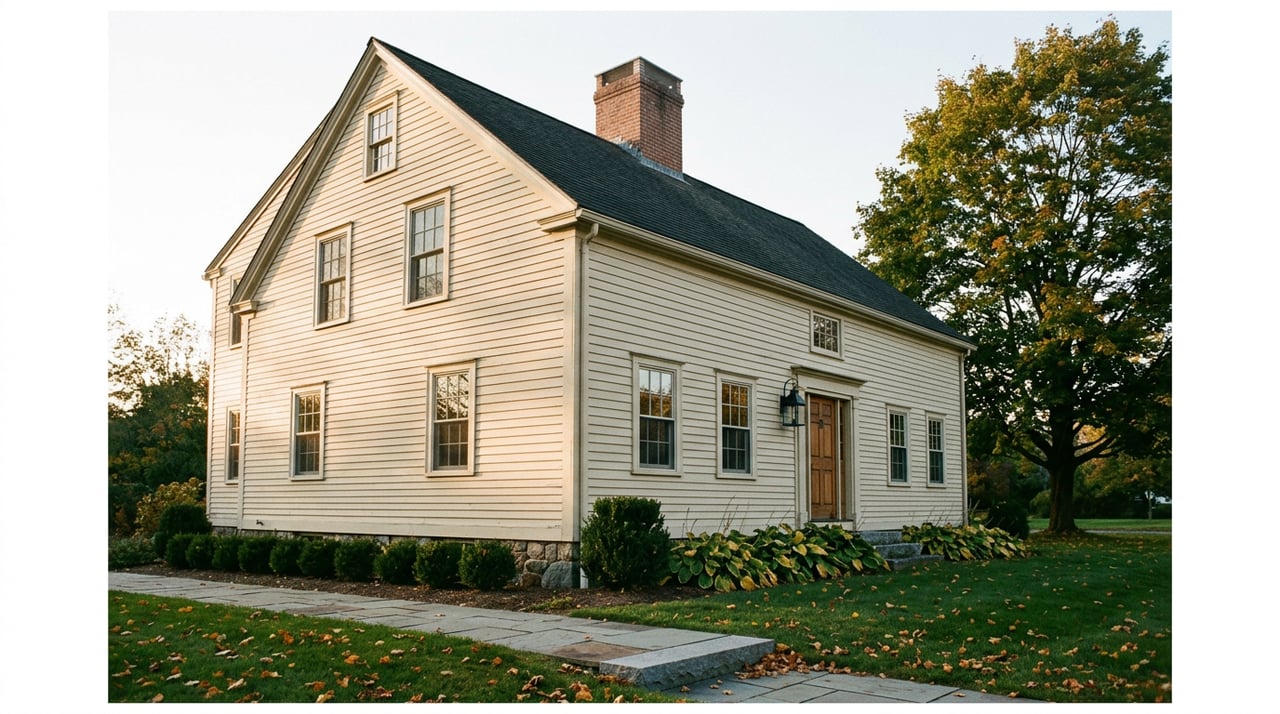
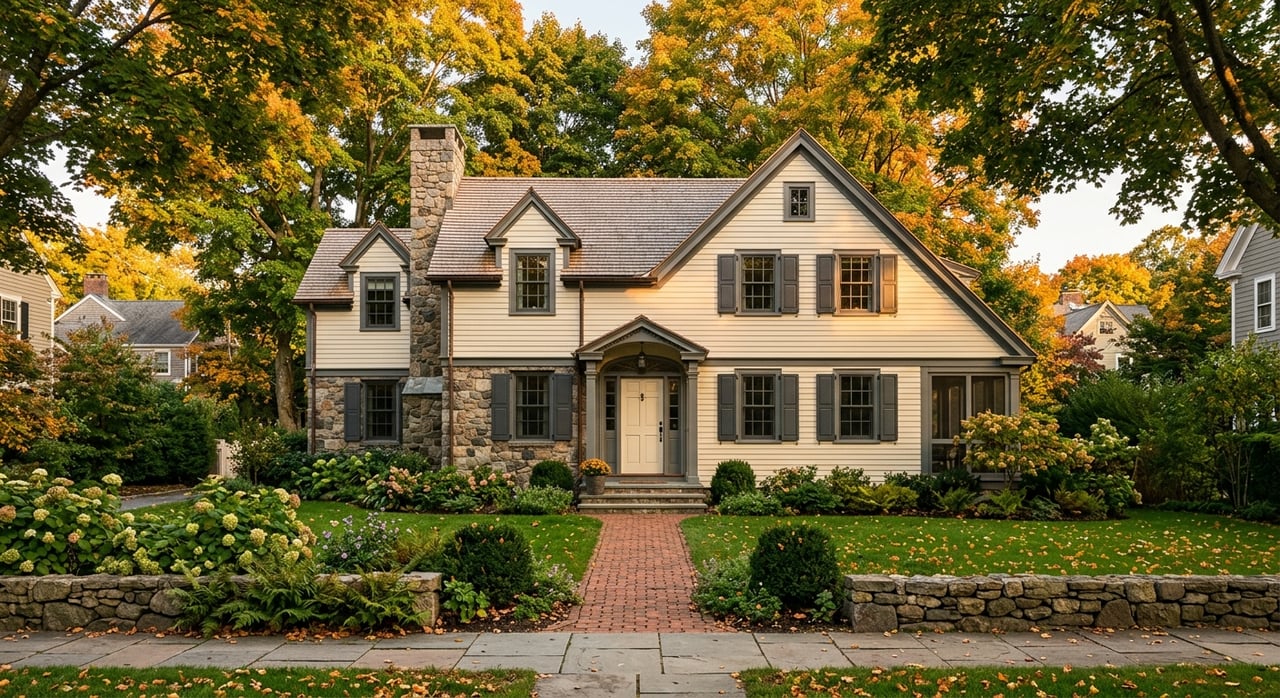
If you want to be closer to village character and older architecture, Amherst’s National Register districts are a useful starting point. These include the Amherst Central Business District, East Village, North Amherst Center, Cushman Village, South Amherst Common, Lincoln-Sunset, Prospect-Gaylord, Dickinson, and Westside.
The East Amherst village area is especially notable in town materials because it was Amherst’s original civic, commercial, and industrial core. It still includes intact 18th- and 19th-century buildings around a commons, which adds to its sense of historic continuity.
Greener and more spread-out settings
If your priority is more breathing room, North Amherst and South Amherst may stand out. North Amherst includes Puffer’s Pond, which the town describes as a defining landmark and the centerpiece of a greenbelt conservation area with town-owned land and trails.
South Amherst is shaped in part by the Fort River and its tributaries, along with farmland, wetlands, and wildlife habitat. For many buyers, these settings can offer a less urban feel while still keeping Amherst’s core amenities within reach.
Car-light and transit-friendly options
If you want to rely less on driving, areas near the main PVTA corridors and the Norwottuck Rail Trail deserve attention. Amherst’s transit network is unusually strong for a town of its size, especially within the broader Pioneer Valley.
That can make daily life easier if you want more flexibility for commuting, campus access, errands, or regional travel within nearby communities.
Commuting in Amherst
Amherst’s transportation pattern is more Valley-oriented than Boston-oriented. In practical terms, many residents move between Amherst, Hadley, Northampton, Sunderland, Belchertown, and nearby campuses rather than following a long-distance commuter model.
The town notes that UMass Transit operates PVTA routes in the Amherst area. Amherst-area PVTA service is often free, generally starts by 7 a.m., and runs past 7 p.m. on weekdays.
Key routes include:
- 30 North Amherst/Old Belchertown Rd
- 31 Sunderland/South Amherst
- 33 Puffer’s Pond/Shoppers Shuttle
- 34 and 35 campus shuttles
- 36 Atkins Farm/Olympia Drive
- 38 UMass/Mount Holyoke College
- 43 Northampton/Hadley/Amherst
- 45 Belchertown Center/UMass
Amherst also benefits from the Norwottuck Rail Trail, which connects the town with Northampton and Hadley and ties into a larger regional trail network. If you value bike access or recreation that doubles as transportation, that is a meaningful lifestyle perk.
The town’s mean one-way commute is 18.0 minutes, which suggests many residents live relatively close to where they work or study. For a relocation buyer, that can translate to a more manageable daily rhythm.
Remote work and daily convenience
If you work from home full time or part time, Amherst has some practical advantages. Census data shows that 93.3% of households have a broadband subscription, which is helpful context if reliable connectivity is on your must-have list.
The town’s modest average commute, strong transit network, and mix of in-town and more open settings can also support different work styles. You may be able to balance a home office, regular campus access, and outdoor downtime without needing a major reset between each part of your day.
Amherst lifestyle beyond housing
Housing is only part of the relocation picture. Amherst stands out because everyday life here combines academic energy, cultural resources, and outdoor access in a way that feels unusually balanced for a town this size.
Amherst describes itself as a diverse, inclusive community with educational and cultural opportunities. It is home to Amherst College, Hampshire College, and the University of Massachusetts Amherst, which helps shape the town’s year-round activity and institutional presence.
Arts, culture, and local identity
The town’s data page lists eight museums, including the Emily Dickinson Museum, Beneski Museum of Natural History, Mead Art Museum, Eric Carle Museum, Yiddish Book Center, Amherst History Museum, Hampshire College Art Gallery, and the University Museum of Contemporary Art at UMass.
For residents, that means cultural options are built into the local landscape rather than treated as occasional destinations. If you enjoy lectures, exhibits, campus events, or simply living in a place with intellectual and creative energy, Amherst offers a lot in a relatively compact setting.
Outdoor access and green space
Amherst also delivers strong outdoor access. The town lists 417 acres of outdoor recreational land, along with bikeways, hiking trails, parks, and golf courses.
Puffer’s Pond is one of the town’s signature outdoor spaces. It is the largest open water body in Amherst and is used for fishing, birdwatching, nature walks, canoeing, picnicking, and swimming.
The town’s trail system adds 80 miles of paths, including regional, local, and literary trails. That mix helps connect outdoor recreation with Amherst’s cultural history, which is a big part of the town’s identity.
Who Amherst tends to appeal to
Amherst can work well for several types of relocation buyers. If you want a town with a strong institutional core, short regional commutes, and a meaningful mix of culture and nature, it checks many boxes.
It may especially appeal to you if you are looking for:
- A town with both owner-occupied homes and rental options
- Village-centered areas with historic character
- Access to transit and trail connections
- A lifestyle shaped by higher education and cultural institutions
- Outdoor amenities woven into everyday life
- Reliable broadband and a relatively short average commute
The main tradeoff is that the most sought-after close-in areas often reflect Amherst’s historic, village-centered planning pattern. In other words, the same areas that feel most connected and established may also be the ones where competition, setting, and housing style matter most.
How to narrow your Amherst search
If you are early in your move, it helps to begin with lifestyle priorities before you focus too heavily on property details. Amherst is easier to read when you first decide how you want to live from day to day.
You might start with questions like these:
- Do you want to be closer to downtown or a village center?
- Do you prefer historic character or a more tucked-away setting?
- Is transit access important for your routine?
- Do you want trail access or conservation land nearby?
- Are you looking for a home that supports remote work?
Once those answers are clear, the town’s layout starts to make more sense. Central Amherst and the named historic districts often fit buyers looking for walkability and older character, while North Amherst, South Amherst, and East Amherst edge areas may fit buyers who prioritize open space and a less urban feel.
If you are planning a move to Amherst and want a thoughtful, local perspective on where your priorities fit best, Lauren Niles offers personalized guidance for relocating buyers across the Pioneer Valley.
FAQs
What is the housing market like in Amherst, MA?
- Amherst has a mixed owner-renter market. The owner-occupied housing unit rate is 44.2%, the median value of owner-occupied homes is $484,900, and the median gross rent is $1,671.
What parts of Amherst fit a more walkable lifestyle?
- In Amherst, buyers looking for a walkable or historic feel often start with downtown and the town’s National Register districts, including areas like the Amherst Central Business District, East Village, and North Amherst Center.
What areas of Amherst feel more rural or open?
- In Amherst, North Amherst and South Amherst often appeal to buyers who want greener surroundings, conservation land, ponds, river corridors, farmland, and a less urban feel.
Is Amherst, MA good for commuting without a car?
- Amherst offers strong local transit for a town of its size. UMass Transit operates PVTA routes in the area, Amherst-area service is often free, and the Norwottuck Rail Trail adds another useful regional connection.
What is the lifestyle like in Amherst, MA?
- Amherst combines academic and cultural resources with strong outdoor access. The town is home to three colleges, eight museums, 417 acres of outdoor recreational land, and 80 miles of trails.
Is Amherst a good fit for remote workers?
- Amherst can be a practical choice for remote workers because 93.3% of households have broadband subscriptions, and the town offers a mix of in-town convenience, outdoor access, and an average one-way commute of 18.0 minutes.