Thinking about a home in Manchester, Vermont but not sure where to start? If you are comparing resort-adjacent towns across New England, it helps to know how the local market works here. You want a place that fits your lifestyle, holds value, and is practical to own year-round. In this guide, you will learn what types of homes you will find, how seasonality affects your search, what drives demand, and the smart steps to take next. Let’s dive in.
Why Manchester attracts buyers
Manchester sits in Bennington County and blends small-town Vermont life with easy access to outdoor recreation, shopping, dining, and arts. You are within a short drive of regional ski areas, trail networks, lakes, and rivers. Many out-of-state buyers value its drivability to Albany, Boston, and New York City, along with access to healthcare within the county. The result is a market that serves both year-round residents and a strong second-home community.
What you will find: homes and settings
Single-family homes
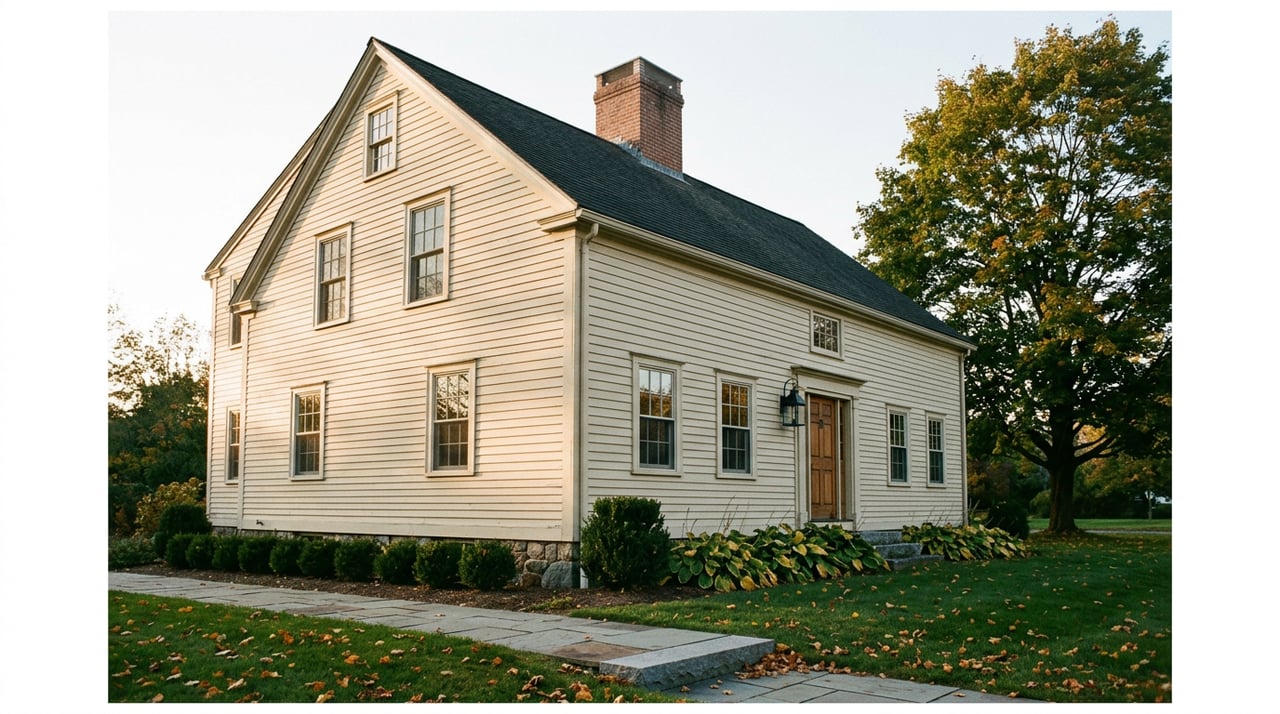
Single-family detached homes make up most of the market. Options range from historic village houses built in the 19th and early 20th century to renovated farmhouses and newer builds. Many buyers like the character of older homes paired with modern system upgrades, where available. If you prefer a more turnkey feel, you can find well-kept modern homes in established neighborhoods.
Country estates and retreats
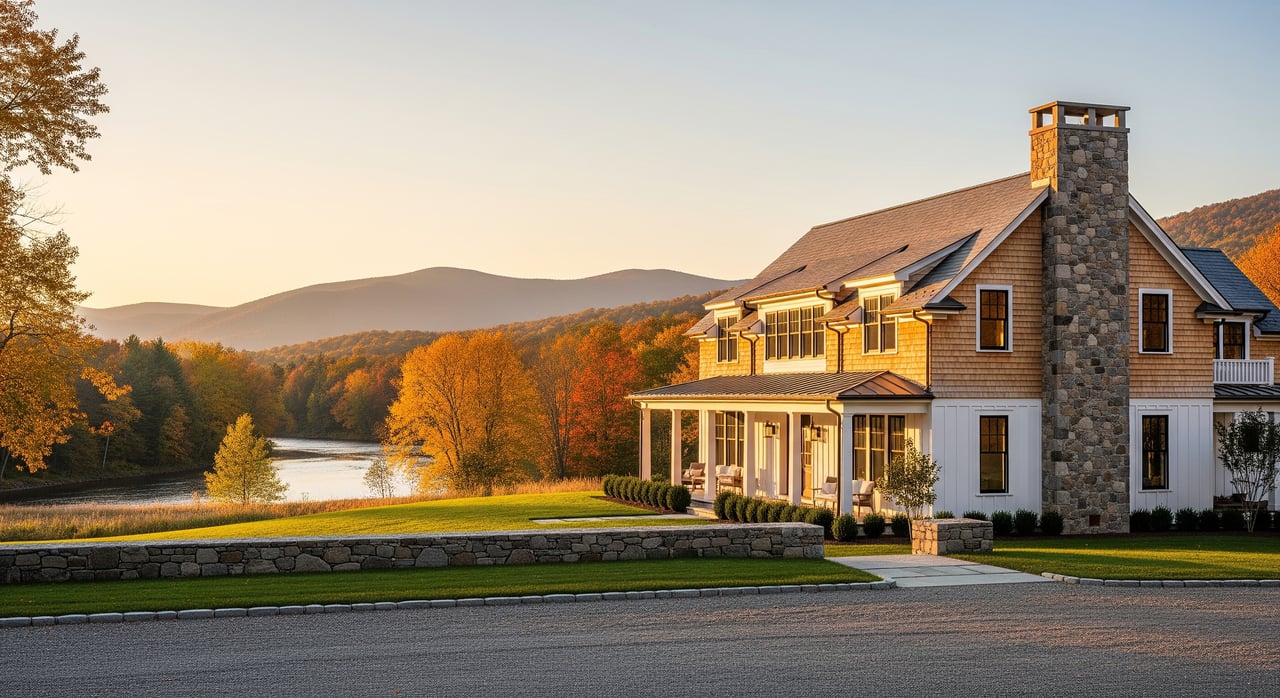
Larger homes on acreage are common in the higher end of the market. These properties are often positioned as retreats or estate settings, which appeal to second-home buyers and those seeking privacy. Expect features like long driveways, mountain or pastoral views, and multi-building layouts. They can be ideal for entertaining and lifestyle living.
Condos and townhomes
You can also find condominiums and townhouses in and around the village and near shopping or recreation corridors. Many are part of associations, so you will want to factor in monthly HOA fees and rules. These properties can simplify maintenance, which is helpful for part-time residents. They are also a practical entry point for buyers who want proximity to amenities.
Cottages and cabins
Seasonal cottages and rustic cabins appear in more rural parts of town and near trails or water. These can be cozy, lower-maintenance options for weekend use. Pay attention to seasonal access, insulation, and system setups if you plan to use the property year-round. A clear understanding of winter performance is key.
Manufactured and modular homes
Manufactured or modular homes exist across the area but are less common in the highest-demand village locations. They can offer value at the entry level. Review financing terms in advance, since loan products can vary by home type and foundation. Maintenance history and park or land ownership details matter.
Mixed-use properties
In the village centers, some properties combine commercial space with residential units. These can work for live-work setups or additional rental income. Always review local zoning, use allowances, and any registration requirements before purchase. Mixed-use can be a strategic option if you want flexibility and visibility.
Systems and property considerations
Wells and septic
Outside the village sewer districts, private wells and septic systems are common. Build in time for a full septic inspection and well water testing to confirm condition, potability, and flow rate. Maintenance records are valuable, especially for older systems. If upgrades are needed, get contractor estimates early in your due diligence.
Heating and energy efficiency
Heating systems vary. You will see oil, propane, limited natural gas, electric heat, and wood or pellet stoves. In older homes, plan for potential insulation, window, or electrical capacity improvements. Heating cost and system condition are material factors in budgeting for ownership.
Winter access and road care
Road maintenance can differ between in-town and rural addresses. Secondary and private roads may be slower to clear during heavy snow. If you plan to arrive on winter weekends, confirm plowing arrangements, driveway slope, and turnaround space for service vehicles. Visiting in the colder months helps you assess real-world access.
Zoning, historic districts, and overlays
Parts of Manchester have historic districts and conservation overlays that can limit exterior changes. Some larger parcels may include agricultural or conservation restrictions. If you are buying land or planning renovations, review these layers early. This protects your timeline and avoids surprises during permitting.
What homes cost: price bands in plain terms
Manchester typically sits above many other towns in Bennington County and below the highest-priced resort markets in adjacent counties. Entry-level options often include smaller single-family homes or condos. The mid-market covers well-maintained historic homes and updated family homes, which is where many buyers focus. Luxury and estate properties command premiums for acreage, location near recreation, and fully renovated or custom features. Exact numbers shift with the cycle, so plan to review current MLS data during your search.
Inventory and timing
Small market dynamics
Manchester is a small market in absolute size. That means fewer listings than larger suburban areas and more noticeable swings when demand changes. Low inventory is common for resort-adjacent towns and can favor sellers during active periods. Your strategy should account for faster decision windows when the right home appears.
Seasonality in a nutshell
- Spring: Listing activity ramps up, creating the broadest selection for many buyers.
- Summer: Strong demand from vacation and second-home buyers. Closings often cluster in late spring and summer.
- Fall: Many buyers want to settle before winter. Foliage season brings fresh interest in lifestyle properties.
- Winter: Listings often thin out. Ski-adjacent properties attract attention, and you can sometimes find motivated sellers.
When to shop
If you want choice, spring can be the best window. If you value quieter competition, late fall or winter may work, though selection is smaller. A smart approach is to visit in at least two seasons, such as summer and late winter or early spring. You will see how a property performs with weather, traffic, and access over time.
What drives demand
Lifestyle and recreation
Buyers are drawn to Manchester’s proximity to ski areas along with hiking, biking, lakes, rivers, and year-round cultural events. Many people want a Vermont base that balances nature with services. The town’s shopping, dining, and arts scene round out the appeal. This combination is a strong long-term driver of demand.
Second homes and seasonal living
Out-of-state buyers from New York, New Jersey, Connecticut, Massachusetts, and across the Mid-Atlantic and New England find Manchester accessible. Many choose the area for weekend use and seasonal stays. This second-home segment shapes inventory patterns and peak buying windows. It also supports the local service economy.
Remote work and retirement
Remote and hybrid work have opened doors for buyers who do not need to commute daily. Retirees also appreciate a quieter setting with nearby services and healthcare access within the region. These groups help sustain steady demand outside peak vacation cycles. They also prioritize reliable internet and practical year-round living features.
Short-term rentals
Properties close to recreation and village amenities can see strong short-term rental occupancy in high seasons. Rules and lodging taxes can change, and some neighborhoods or associations have their own restrictions. Verify current town requirements and registration needs before relying on rental income. Plan your financial model around conservative assumptions.
Financing, appraisals, and operating costs
Second-home and investment loans often have stricter down payment and documentation requirements than primary residences. In small markets with low turnover and luxury segments, appraisals can vary. Be ready to work with local comps and allow time for negotiations if the appraisal differs from your contract price. Insurance costs can reflect heating fuel risks, winter freeze exposure, and flood considerations near rivers or streams.
Utility and operating costs are another key line item. Heating fuel usage, chimney and boiler maintenance, snow removal, and private road fees can add up. If you are considering an older home, factor in potential insulation and system upgrades for energy efficiency. Ask sellers for utility histories when available.
Smart next steps for out-of-state buyers
1) Visit in two seasons
- Summer to evaluate amenities, yard use, and community activity.
- Winter or early spring to test heating, access, and snow management.
2) Engage a local agent early
- Choose a professional with Manchester and Bennington County experience.
- Gain MLS access, neighborhood context, and introductions to inspectors, lenders, and attorneys.
3) Get financials set
- Secure pre-qualification, including second-home rules if applicable.
- Understand local closing costs and property tax timing.
- Ask lenders about appraisal dynamics in small markets.
4) Plan thorough inspections
- Septic inspection and maintenance history.
- Well testing for potability and flow rate.
- Heating system review, including oil tanks and fuel lines.
- Roof, chimney, insulation, and energy efficiency.
- Foundation, drainage, and moisture management.
- Lead paint disclosures and other legacy materials in older homes.
- Driveway slope, snow clearing, and access reliability.
- Historic district or conservation limits, plus HOA or condo rules and fees.
- Floodplain status and flood insurance needs.
5) Verify recurring costs
- Town and school property taxes.
- HOA or condo fees and road maintenance agreements.
- Utilities, including fuel, electric, and water or sewer.
6) Check short-term rental rules
- Confirm town permits, lodging taxes, and any HOA or neighborhood restrictions.
- Align your plan with occupancy limits tied to septic or environmental rules.
7) Confirm services and timelines
- Internet and broadband options for remote work.
- Proximity to healthcare, groceries, and emergency services relative to the property.
How a single-advisor approach helps
Buying in a small, resort-adjacent market means timing, preparation, and details make a difference. You want an advocate who understands local systems, seasonality, and how properties live in winter and summer. A hands-on advisor can coordinate showings, virtual previews, vendor referrals, and strategy across Southern Vermont. With thoughtful guidance, you can move with confidence when the right home appears.
If you are ready to explore Manchester with a clear plan, connect with Lauren Niles to start a personal, step-by-step search that fits your goals.
FAQs
When is the best time to buy in Manchester, VT?
- Spring offers the most listings, while late fall and winter can mean less competition but fewer options; align timing with your need for selection versus speed.
What inspections matter most for Manchester properties?
- Prioritize septic and well testing, heating system checks, roof and insulation review, foundation and drainage evaluation, and any historic district or HOA rules.
Are short-term rentals allowed in Manchester, VT?
- Rules and lodging taxes can change and may vary by neighborhood or HOA, so verify current town requirements and registration before relying on rental income.
How do second-home mortgages differ from primary-home loans?
- Lenders often require larger down payments and additional documentation for second homes and investments; ask about appraisal approaches in small markets.
What winter-specific factors should I evaluate before buying?
- Confirm snow removal plans, road maintenance responsibility, driveway grade, heating system condition, and real-world access during storms by visiting in colder months.